 About Us
 News
 Store Locator
 Support
Nutritional Composition of Tai Nguyen Rice: Calories, GI and How to Eat It Without Spiking Blood Sugar

Tai Nguyen Rice is a familiar white rice in the meals of many Vietnamese families. As healthy eating becomes more popular, people are paying more attention to questions such as how many calories Tai Nguyen Rice has, whether it raises blood sugar, and whether it is good for health.
In fact, the nutritional value of rice lies not only in its calorie content but also in its starch structure, its glycemic index (GI) and how foods are combined in a meal. If you understand this correctly, you can eat white rice every day and still manage your weight and blood sugar effectively. The article below analyzes the detailed nutritional composition of Tai Nguyen Rice and explains how to eat it in a science-based way, so that you can enjoy your meals while protecting your health.
Is Tai Nguyen Rice suitable for a diet?
Tai Nguyen Rice is a white rice rich in starch, so many people worry about using it in a diet or when managing their weight. However, there is no need to cut out white rice completely if you understand the glycemic index (GI) and know how to combine foods sensibly.
In fact, Tai Nguyen Rice can still be part of a healthy or weight-loss diet, as long as portions and the way it is eaten are properly controlled.
Glycemic index (GI) of Tai Nguyen Rice
- Tai Nguyen Rice has a high glycemic index (GI), similar to other milled white rice. This is because the starch in the rice is mainly in an easily digestible form, so it is converted into glucose quickly in the body.
- When eaten, the starch in Tai Nguyen Rice is rapidly broken down into sugar, causing a short-term rise in blood sugar. At the same time, the body has to secrete more insulin to regulate the amount of sugar in the blood. If this happens frequently with large portions, it can affect metabolism and the storage of excess energy.
- Uncontrolled consumption of white rice can lead to several consequences, such as a rapid rise in blood sugar, fat accumulation when calories are in excess, and hunger returning early because of fluctuations in blood sugar.
However, a high GI does not mean that Tai Nguyen Rice must be removed from the diet entirely. What matters is adjusting how you eat and combining foods sensibly to reduce the effect on blood sugar.
How to combine foods to slow sugar absorption
To control the effect of the starch in Tai Nguyen Rice, apply the principle of lowering blood sugar through the way foods are combined within the same meal.
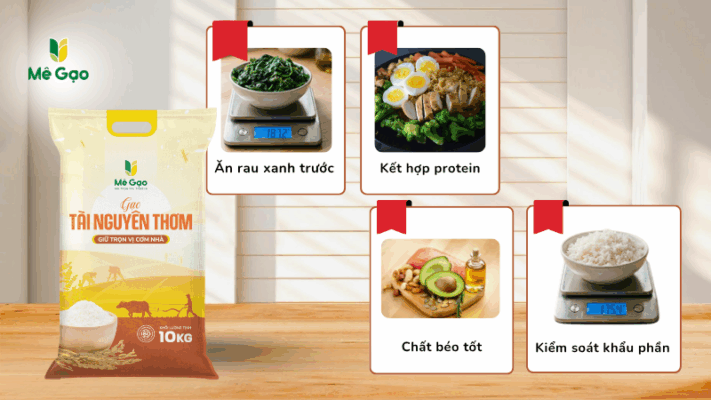
1. Eat green vegetables before the meal
Prioritize eating about 150-200 g of green vegetables before the rice to supplement natural fiber. Fiber slows down digestion and sugar absorption, which helps stabilize blood sugar after the meal.
Eating vegetables first also helps reduce the speed of the blood sugar rise and limits the sugar spike after the meal.
2. Combine with quality protein
Protein sources such as fish, lean meat, eggs or tofu should be eaten together with the rice. Protein helps slow the digestion of starch and prolongs the time over which glucose is absorbed.
As a result, the body stays full for longer and avoids consuming too much starch in one meal.
3. Add healthy fats
Good fats such as olive oil, avocado or nuts help slow the activity of the enzymes that digest starch. This contributes to a slower rate of sugar absorption into the blood.
In addition, healthy fats help with weight management and improve metabolic health.
4. Control rice portions
A sensible portion is the most important factor in controlling blood sugar and weight. A meal should be limited to about 100-150 g of cooked rice, equivalent to one medium bowl of rice.
Controlling the amount of starch helps avoid excess energy and reduces the risk of weight gain or metabolic disorders.
Tips for cooking delicious Tai Nguyen Rice
Tai Nguyen Rice is notable for rice grains that expand moderately, with low stickiness, and that are soft yet still fluffy. To achieve properly good rice, you need to apply the right cooking technique and the right water ratio.
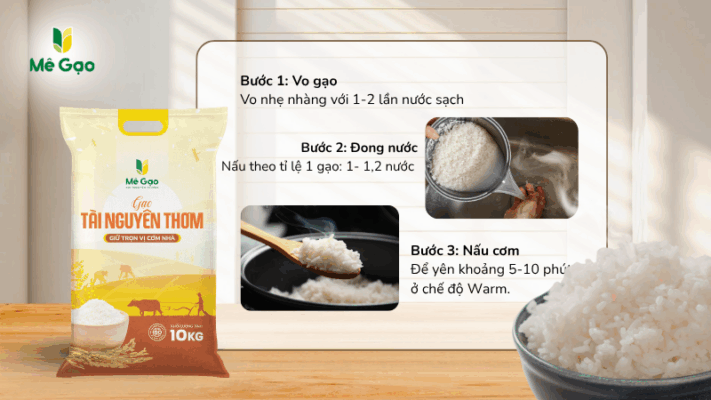
- Step 1: Rinse the rice 1-2 times with clean water to remove dust. Avoid rinsing too vigorously so that the thin bran layer, which contains micronutrients, is retained.
- Step 2: Use a ratio of 1 part rice : 1.1-1.2 parts water. Adjust to taste to get the fluffiness or softness you want.
- Step 3: After the rice is cooked, let it rest for another 5-10 minutes on the warm setting so that the grains cook evenly and expand fully.
- Step 4: Gently fluff the rice from the bottom up to separate the grains. This keeps the rice light and fluffy, prevents clumping and lets excess steam escape. Thanks to this fluffy quality, homemakers often like to make fried rice with Tai Nguyen Rice, because the grains firm up easily and absorb seasoning evenly.
Frequently Asked Questions (FAQ)
Does eating Tai Nguyen Rice cause weight gain?
Tai Nguyen Rice does not directly cause weight gain. Weight gain occurs when total calorie intake exceeds the body’s needs.
If you control your portions sensibly and combine the rice with green vegetables and protein, you can eat rice every day without worrying about weight gain.
Does old Tai Nguyen Rice that has been stored for a long time lose its nutrients?
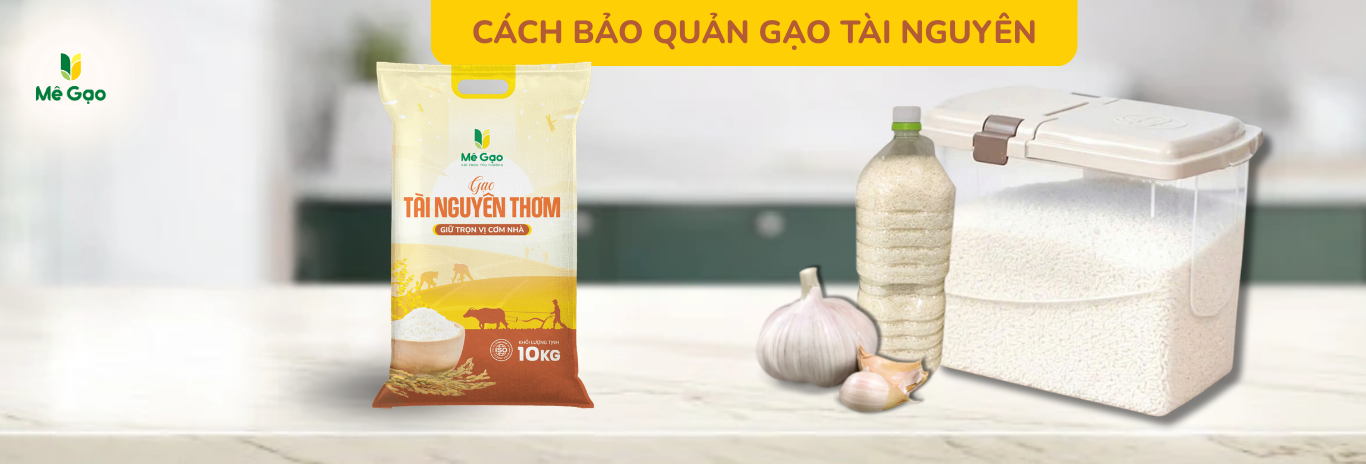
Over time in storage, some B vitamins (especially B1) may gradually decrease. However, the main components such as starch and protein are retained. To ensure quality, you should follow the correct techniques for storing Tai Nguyen Rice:
- Store the rice in a dry, cool, well-ventilated place
- Avoid direct sunlight and high humidity