
 About Us
 News
 Store Locator
 Support
Should People with Diabetes Eat KDM Rice?

People with diabetes can certainly eat KDM (Kow Dak Mali) jasmine rice if they apply the right methods for controlling carbohydrate intake and use cooking techniques that create resistant starch.
KDM rice is a specialty seasonal rice variety grown over 6 months in Cambodia. It belongs to the refined carbohydrate group, with a medium-high glycemic index (GI). To fully enjoy the flavor of this 100% pure rice without causing dangerous blood sugar spikes, patients need to understand what the GI means and strictly follow the 4 medically sound meal-planning rules below.
The glycemic index (GI) of KDM Rice
KDM Rice provides plenty of energy (about 346 kcal/100 g) and over 6.6 g of protein per 100 g. Like other tender, fragrant white rice varieties on the market, KDM Rice has a medium-high glycemic index (GI).
Although its GI is not as low as that of brown rice, thanks to its long seasonal growing period (6 months), the starch structure of KDM Rice is more tightly bound than that of short-duration high-yield rice varieties. Therefore, people with diabetes can still enjoy this specialty rice if they know how to cook it and control their portions scientifically.
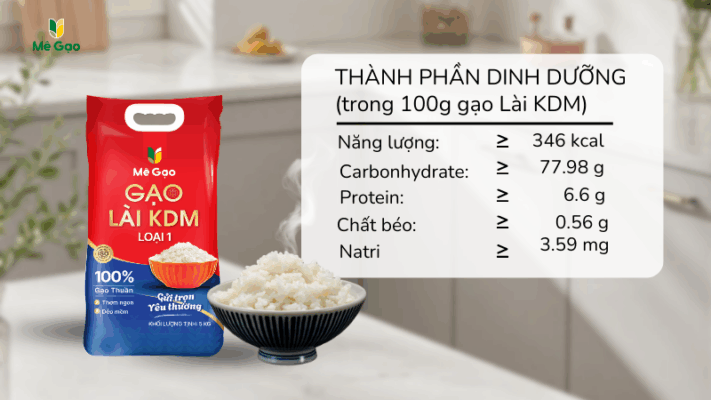
Comparing the GI of KDM Rice with ST25 Rice and ordinary white rice
To control portions in a medically sound way, people with diabetes need to understand how quickly KDM rice is converted into sugar compared with other popular rice varieties on the market:
| Criteria | Ordinary white rice | ST25 Rice | KDM Rice |
| Glycemic index (GI) | High > 70 | Low (about 42-45) | Medium-high (70-75) |
| Glucose release rate | Very fast | Slow, releases energy gradually and steadily | Medium to fast |
4 rules for eating KDM Rice without worrying about blood sugar spikes
1. Control your portions
A safe portion ranges from 1/2 to 1 small bowl of rice (equivalent to 45 – 60 g of carbohydrates), which keeps the pancreas from being overloaded with insulin production.
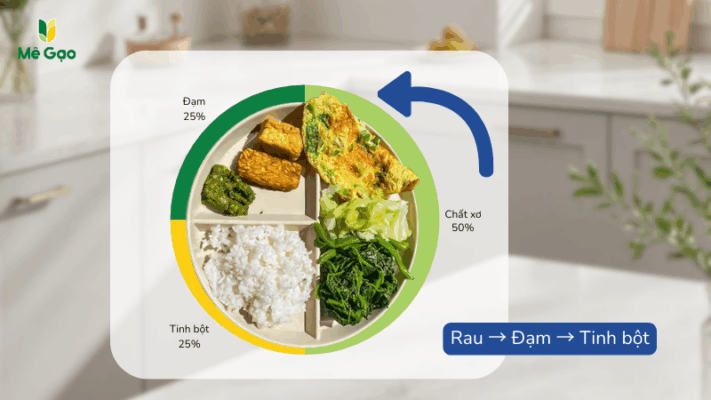
2. Follow the order: Fiber-rich vegetables -> Protein -> Rice
Change the order in which you eat: Eat green vegetables (fiber) and meat or fish (protein) first, and rice last. The fiber and protein form a biological barrier in the stomach lining, significantly slowing the absorption of sugar from KDM rice into the intestinal capillaries.
3. Eat “cooled rice”: Increase resistant starch
Cook the rice, then let it cool naturally or refrigerate it, and reheat it before eating. This cooling process converts ordinary starch into “resistant starch”, which works like soluble fiber and is extremely effective at lowering the GI.
4. Mix in other ingredients to reduce starch density
Cook KDM Rice with seeds and legumes rich in fiber and micronutrients (black beans, red beans, sesame, chia seeds, quinoa…). This combination both reduces the total amount of fast-digesting starch in your bowl and increases its nutritional value, creating a balanced, wholesome meal.
Conclusion
People with diabetes can certainly include KDM Rice in their diet if they strictly follow portion sizes, apply the reverse eating order and use the cooling technique to create resistant starch. In addition, choosing a source of pure rice with no blending or impurities is essential to protect patients’ immune systems and internal organs.
Mê Gạo supplies KDM Rice that is guaranteed 100% pure with no blending. Our products are strictly tested and hold international safety certifications including FDA, HALAL, HACCP and ISO 22000:2018, ensuring nutritious, transparent and maximally safe meals for your family’s health.
Frequently Asked Questions (FAQ)
- What is the maximum amount of KDM Rice a person with diabetes should eat per meal?
You should eat only 1/2 to at most 1 small bowl of rice (equivalent to 45 – 60 g of carbohydrates) per meal. However, the exact amount should be based on your current blood sugar levels and your doctor’s personalized nutrition plan.
- Does KDM Rice get hard when cooled or refrigerated overnight?
No. Thanks to the characteristics of this 6-month seasonal rice from Cambodia, KDM Rice has the outstanding advantage of staying soft and tender when cooled, without drying out or hardening, making it ideal for “resistant starch rice” for people who need to limit sugar.





