
 About Us
 News
 Store Locator
 Support
Signs of Spoiled Rice and How to Store It Safely at Home

Rice is the staple food in every Vietnamese family meal, but it is highly sensitive to changes in weather and its surrounding environment. In practice, humid, damp climates or improper storage habits often leave rice grains vulnerable to mold and weevils.
Unknowingly using poor-quality rice not only destroys its original sticky fragrance but also carries the risk of toxin buildup, directly harming the digestive system. In this article, Mê Gạo will explain in detail how to recognize spoiled rice and how to store rice properly at home.
How to Recognize Signs of Spoiled Raw (Uncooked) Rice
Spoiled rice shows itself clearly through four basic signs: a change in color, a characteristic musty smell, the presence of insects, and a change in the texture of the grains.
1. A change in color
- Color is the first visual factor for judging rice quality. Natural 100% Pure Rice usually has an attractive bright white or ivory-white color.
- When spoiled by mold or dampness, the grains turn gray or black, or show abnormal yellowish-brown spots.
2. Foul or musty smell
Specialty rice varieties have a distinctive natural fragrance. When spoiled, they lose this fragrance completely. Instead, the rice gives off a pungent, sour, or musty smell caused by the growth of yeast and fungi.
3. Presence of insects and weevils
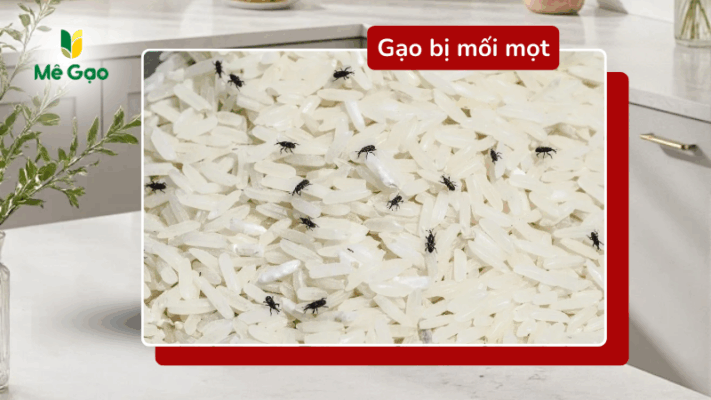
Storage that is not airtight, or high humidity, creates ideal conditions for weevil eggs to hatch into bugs and black weevils. The clearest signs are insects crawling among the rice, small cocoons, or a thin web-like film around the grains where the pests have clumped them together.
4. Grains that have turned crumbly
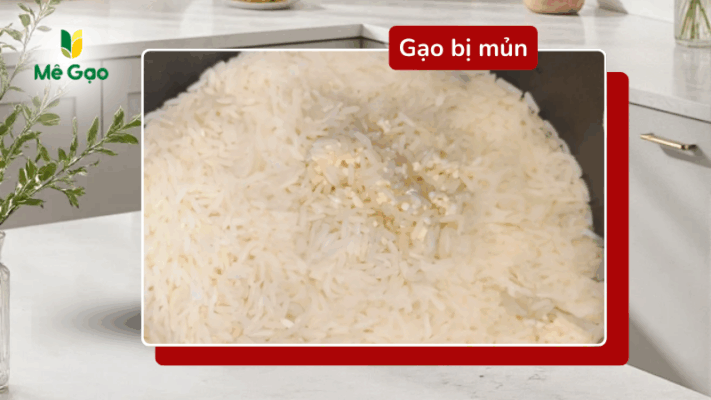
Quality rice has intact, firm grains that separate easily. When rice becomes damp and spoiled, the structure of the grains breaks down. The rice often sticks together in hard lumps that are difficult to separate. When squeezed gently, the grains are warped, hollow, or crumble easily into a fine powder.
Signs That Cooked Rice Has Gone Bad or Spoiled
1. Sour, rancid smell.
Unlike the sweet fragrance of freshly cooked starch, spoiled cooked rice has a sharp sour smell. This is a sign that bacteria have been fermenting the starch for too long at room temperature.
2. Slimy, sticky to the touch.
The surface of the rice in the pot, or the individual grains, is no longer fluffy and instead has a slimy, sticky film. When touched, the rice forms strings, turns slimy, and clings tightly to the hand.
3. Discolored rice (yellowing or with mold spots).
Ordinary white rice will turn yellowish. If left forgotten for days, green, black, or faint white mold spots will appear on the surface of the rice as fungal spores grow vigorously.
Is moldy or weevil-infested rice safe to eat if washed and cooked?
You should not wash moldy rice and continue to cook it, because washing does not remove the toxins that are harmful to the body. Mold on rice produces aflatoxin, a substance that can cause poisoning. You can reuse spoiled rice as organic compost for plants to avoid waste, but never use it as food.
Tips for Storing Rice Effectively Against Weevils
You need to control moisture and use natural insect-repelling methods so that rice always retains its full flavor.
1. Store in a dedicated rice bin / airtight container.
Using a plastic bin or an airtight container with a rubber-gasket lid is the best way to keep insects and moisture out.
You can also divide the rice into zip (zipper) bags or airtight containers and store it in the refrigerator’s cool compartment. The low temperature in the refrigerator inhibits the breeding and growth of rice weevils.

2. Put garlic, chili, or salt in the rice bin.
Using kitchen seasonings is an extremely effective and safe natural method of storing rice:
- Garlic: Contains sulfur compounds with strong antibacterial properties. Putting a few peeled garlic cloves into the bin helps repel weevils and keeps the rice fragrant.
- Dried chili: The pungent, spicy smell of capsaicin in dried chili keeps weevils away from the rice.
3. Avoid damp places and direct sunlight.
Always keep the rice jar/bin at least 20 cm off the ground, in a dry, well-ventilated corner of the kitchen. Do not let the rice be exposed to direct sunlight or to areas of high temperature (near a gas stove or microwave), because this will make the rice lose moisture, dry out, and lose its natural sweetness.
Frequently Asked Questions (FAQ)
How long can rice be kept before it expires?
Well-milled white rice, if stored correctly in an airtight, dry environment, can keep its good quality for 6 to 12 months. Brown rice or rice that still has its bran has a shorter storage time, usually 3 to 6 months, because the bran layer contains a lot of oil, which oxidizes easily and attracts weevils faster.
How can I store cooked rice overnight?
To store cooked rice safely overnight, wait until the rice has cooled completely (to avoid steam condensing into water, which makes it spoil), then put it in a container with a tight lid and place it in the refrigerator’s cool compartment.
When eating, simply reheat it in the microwave or steam it again. Do not leave rice at room temperature overnight, especially in hot weather.





