 About Us
 News
 Store Locator
 Support
Delicious Dishes from Japonica Rice: 5+ Tasty Recipe Ideas

Japonica Rice is a short, round-grain rice originating from Japan, known for its high stickiness, softness and natural mild sweetness. Thanks to its amylopectin-rich starch structure, the cooked grains cling together well instead of separating like long-grain rice. This is what makes Japonica rice an ideal choice for many Asian and Western dishes, especially those that need to be shaped or stay soft long after cooking.
Mê Gạo suggests 5+ delicious dishes made from Japonica rice that are easy to prepare and will help you vary your family’s nutritious menu.
Why is Japonica rice the “queen” of rolls and porridge?
Japonica rice is known as the “queen” of rolls and porridge because its high amylopectin content creates an excellent natural sticky texture. Once cooked, the grains are soft, sticky and lightly fragrant, and they stay delicious even when cooled, making the rice the perfect binder.
1. Starch structure is the key to superior stickiness
Its high amylopectin content gives Japonica rice a natural stickiness without turning mushy, so it is easy to shape when pressed or rolled and stays soft and sticky even when cooled, making it the standard ingredient for dishes like sushi and kimbap.
2. A grain texture suited to rolls and porridge
Japonica rice has short, round, plump grains that rarely break. When cooked, the grains are soft and sticky with a slightly glossy surface, helping rolls hold their shape firmly when sliced and giving porridge a naturally smooth, thick consistency without any additives.
3. A mild flavor that pairs easily with other ingredients
Japonica rice has a natural mild sweetness and a light aroma that does not overpower other ingredients. It highlights the freshness of the fish in sushi, balances the salty, sweet and rich flavors in rolls and is especially well suited to making porridge for both adults and children.
4. Soft, sticky rice even when cooled
Unlike many other types of rice, cooked Japonica rice stays soft and sticky after cooling instead of drying out and hardening. As a result, dishes like sushi are still delicious served cold, bento boxes keep their quality longer and porridge does not separate quickly.
Nutrition Facts (per 100 g of product)
| Item | Amount |
| Energy | ≥ 347 kcal |
| Carbohydrate | ≥ 77.3 g |
| Protein | ≥ 8.0 g |
| Fat | ≥ 0.6 g |
| Sodium | ≥ 2.9 mg |
Japanese and Korean dishes made with Japonica rice
Japonica rice is an essential core ingredient in East Asian cuisine, especially in Japan and Korea. Thanks to its stickiness and perfect ability to hold its shape, this rice is widely used as the foundation of many famous traditional dishes.
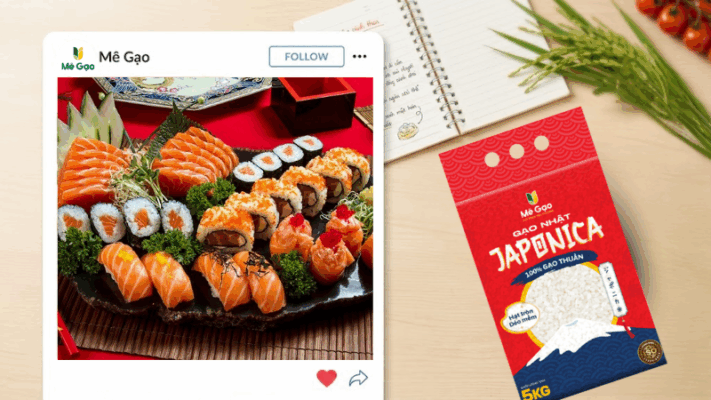
Sushi and sashimi
Japonica rice is the best rice for making sushi because the grains absorb the seasonings (vinegar, sugar, salt) perfectly without falling apart.
Its natural stickiness makes it easy for chefs to shape nigiri sushi (rice topped with raw fish) or maki (seaweed-wrapped rolls) without grains falling off when picked up with chopsticks. The gentle sweetness of the rice balances beautifully with the saltiness of soy sauce and the pungent heat of wasabi.
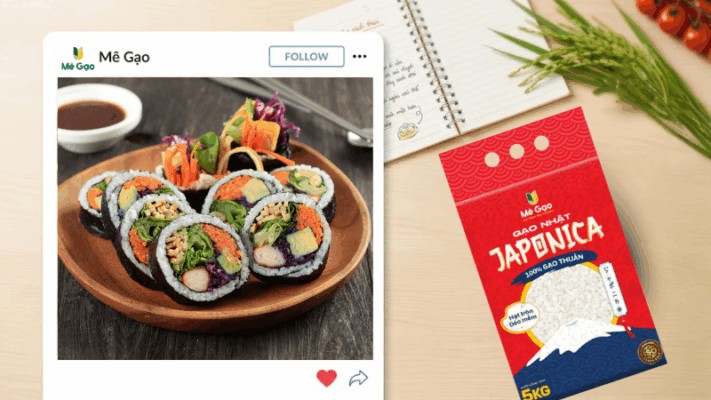
Kimbap (Korean rice rolls)
For kimbap, Japonica rice is the best choice because it binds a wide variety of fillings tightly without tearing the seaweed. What’s more, the rice stays soft and sticky when cooled, making it ideal for picnic bento boxes.
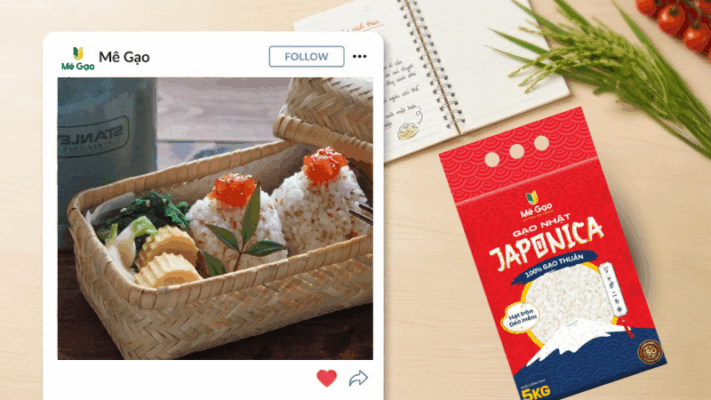
Rice balls (onigiri) & donburi
Japonica rice is often used for rice balls (onigiri) and rice bowls (donburi) thanks to its slightly chewy, sticky texture that holds its shape well. The plump grains do not break apart when pressed firmly, and their mild sweetness blends wonderfully with sweet and savory sauces.
Vietnamese dishes made with Japonica rice
In Vietnamese cuisine, Japonica rice brings a whole new texture to traditional dishes. Its fragrant stickiness and high nutritional value make it well suited to porridge, clay pot rice and drinks.
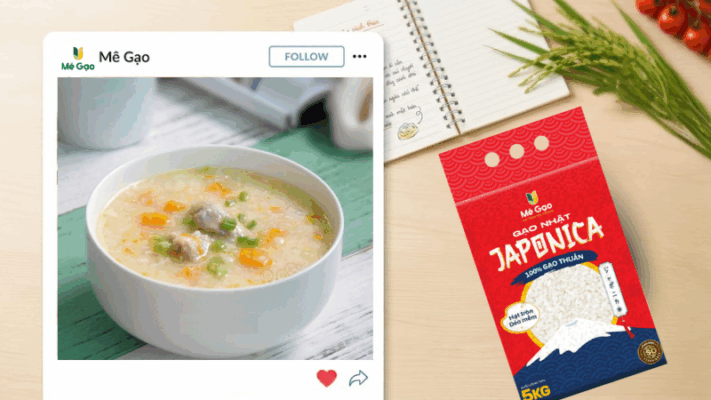
Pork rib porridge / baby porridge
Japonica rice is the best rice for making baby porridge because the grains break down evenly, creating a smooth, thick texture without the need to add glutinous rice flour. The rice is mildly sweet, nutrient-rich and extremely easy to digest.
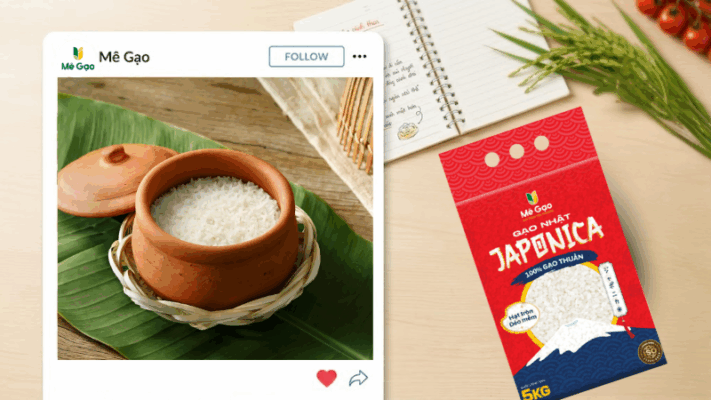
Clay pot rice (com nieu) / smashed clay pot rice (com dap)
Cooking clay pot rice with Japonica rice offers a two-layer texture experience: the rice inside is soft and sticky, while the crust at the bottom of the pot is crispy without being hard. Served with clay pot braised dishes (clay pot braised snakehead fish, pork braised with black pepper), it brings out the flavors to the fullest.
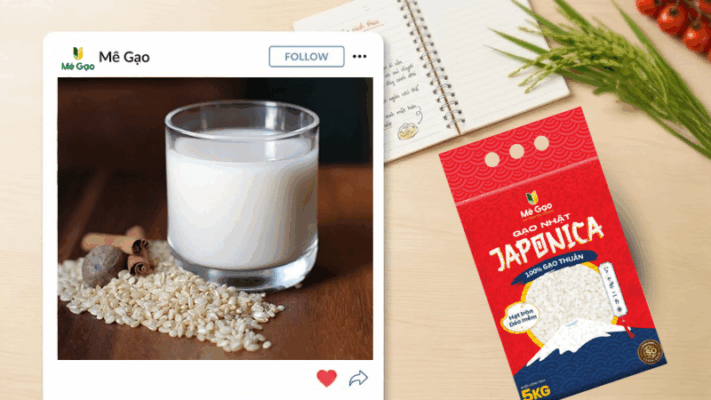
Roasted rice milk
Roasted rice milk made from 100% pure Japonica rice is a refreshing, nutritious and healthy drink. Once roasted, the grains release a natural mild sweetness and a distinctive aroma, and the drink is valued for beautifying the skin and cooling the body.
Tips for cooking delicious, soft and sticky Japonica rice
- Rinsing: Since the grains are round, plump, uniform, bright white and rarely broken, you only need to rinse them gently 1-2 times to remove dust. Do not scrub hard, so the bran layer rich in nutrients and minerals is preserved.
- Soaking: Unlike Vietnamese rice, Japonica rice should be soaked in cold water for about 30 minutes before cooking. This lets water penetrate deep into the core of the short, round grains, so the cooked rice expands evenly, is sticky all the way through and stays soft and delicious even when cooled.
- Measuring water: The standard ratio is usually 1 part rice : 1.2 parts water. (You can adjust the amount of water to suit your family’s taste.)
- Cooking and resting: Press the Cook button on your rice cooker. Once it switches to Warm mode, leave it alone and do not open the lid for 10-15 minutes. This steaming time lets the rice cook through, makes the grains glossy and brings out their gentle sweetness to the fullest.
Frequently Asked Questions (FAQ)
Is Japonica rice glutinous rice?
No, Japonica rice is not glutinous rice. It is a short-grain non-glutinous rice variety that is soft, sticky and highly cohesive, much like glutinous rice, but it does not cause bloating, internal heat or indigestion, and it provides steady energy.
Can people with diabetes eat Japonica rice?
Many people wonder whether Japonica rice is really suitable for people with diabetes. In fact, people with diabetes can still eat this rice but need to strictly control their portions. Because it is still a white starch high in carbohydrates, it should be eaten with plenty of fiber, green vegetables and protein to lower the glycemic index (GI) of the meal.