
 About Us
 News
 Store Locator
 Support
Is Japonica Rice Suitable for People with Diabetes?

People with diabetes can eat Japonica Rice if they control their portions and how they eat it. People with diabetes need to manage their carbohydrate intake because starch directly affects blood sugar after meals. Japonica Rice is a short-grain rice rich in easily digestible starch, so it can raise blood sugar quickly if eaten without control.
However, when properly combined with fiber, protein and suitable cooking methods, Japonica Rice can still be part of a diet that keeps blood sugar stable.
What is the GI?
The glycemic index (GI) is a measure of how quickly a food raises blood sugar levels after eating. The GI scale is divided into 3 main levels:
- Low: below 55
- Medium: 56 – 69
- High: above 70
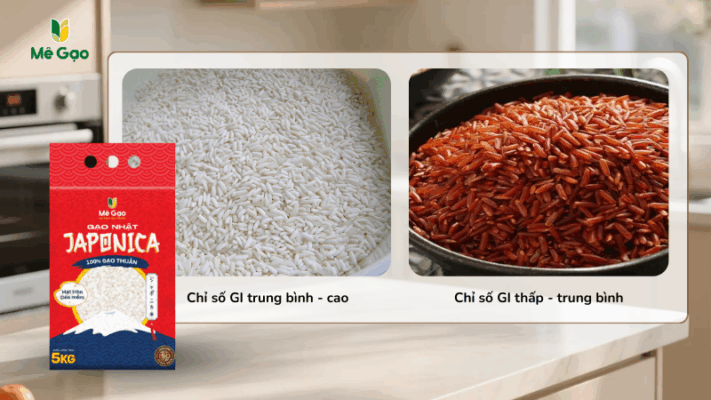
Specifically, the GI of Japonica Rice ranges from about 60 to 70, placing it in the medium to near-high group. This means the body absorbs the starch in this rice relatively quickly, which can raise blood sugar after meals if not properly controlled.
- Degree of milling: The whiter the rice, the higher the GI
- Cooking method: Soft, mushy rice speeds up sugar absorption
- Temperature after cooking: Cooled rice may have a lower GI thanks to the formation of resistant starch
- Meal composition: Eating rice with fiber, protein and fat helps slow glucose absorption
Compared with many long-grain white rice varieties, Japonica Rice usually has a slightly lower GI thanks to its denser starch structure. However, for people with diabetes, managing the meal as a whole is still more important than focusing only on the GI of the rice itself.
Benefits of Japonica Rice
When used properly and in reasonable portions, Japonica Rice offers many health benefits, including for people with diabetes:
- Easy to digest, suitable for sensitive digestive systems: Japonica Rice has short, soft and sticky grains that ease the burden on the digestive system, making it suitable for the elderly, young children and people with weak stomachs; it is also easier to absorb than hard brown rice, helping you maintain a stable diet over the long term.
- Provides fast and steady energy: As a main source of carbohydrates, Japonica Rice replenishes energy for daily activities and supports physical recovery; when combined properly, it can help control the rate of absorption despite its medium glycemic index.
- Contains essential vitamins and minerals: Quality Japonica Rice provides B vitamins (B1, B2), magnesium and other important minerals, which help support energy metabolism and stabilize how the body uses glucose.
- With its light aroma, natural sweetness and high stickiness, Japonica Rice helps people with diabetes stick to a long-term diet without getting bored.
- Versatile in cooking: Japonica Rice pairs easily with green vegetables, protein and fiber-rich beans, which help slow sugar absorption and thus limit blood sugar spikes after meals when you build a balanced meal.
How people with diabetes can eat Japonica Rice safely
To enjoy Japonica Rice while keeping blood sugar well controlled, people with diabetes need to focus on portion size, eating order and cooking method. Here are the key principles:
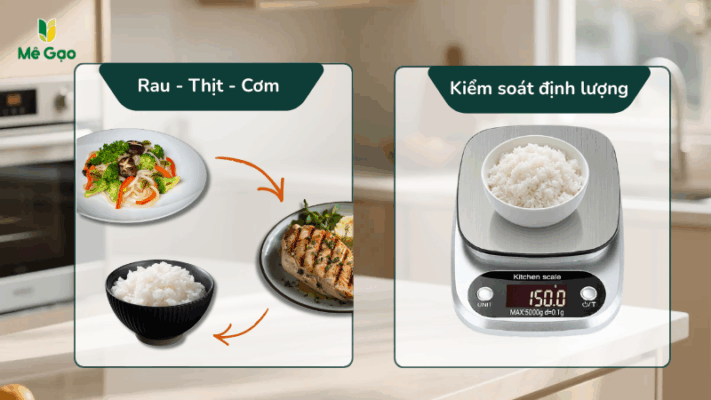
- Control portions: Limit rice to 1/2 to 1 small bowl (about 100g – 150g of cooked rice) per meal, depending on your physical condition and activity level.
- Eating order: Vegetables -> Meat -> Rice: Eating green vegetables (fiber) and meat/fish (protein) first creates a lining in the stomach that slows the absorption of carbohydrates from rice into the blood, preventing blood sugar from spiking after meals.
- Cooking tips: Cook with beans or let the rice cool:
- Add black beans, red beans or quinoa when cooking Japonica Rice to increase soluble fiber.
- Chilling: Cook the rice, then let it cool and keep it in the refrigerator overnight. This process converts part of the regular starch into resistant starch, significantly lowering the GI of the meal.
Quick GI comparison: Japonica vs. red brown rice
Below is a visual comparison table to help you choose easily:
| Criteria | Japonica Rice | Red brown rice |
| GI | Medium/High | Low/Medium |
| Fiber content | Low | Very high |
| Texture | Soft, very sticky, cohesive | Slightly firm, separate grains, requires thorough chewing |
| Rate of blood sugar rise | Faster | Slower, more stable |
| Best suited for | Soft, tender rice suitable for everyone, especially the elderly and young children | People who need strict blood sugar control |
Frequently Asked Questions (FAQ)
Should women with gestational diabetes use Mê Gạo Japonica Rice instead of ordinary white rice?
Yes, women with gestational diabetes can use Japonica Rice from Mê Gạo instead of ordinary long-grain white rice, because Japonica Rice is usually very clean and richer in B vitamins. However, expectant mothers must strictly follow the 1/4 rule: only 1/4 of the plate should be Japonica Rice, 1/4 protein and 1/2 green vegetables.
Should you eat Japonica Rice at breakfast or lunch to optimize insulin?
People with diabetes can eat Japonica Rice at any meal of the day, as long as they strictly control their portions (about 1/2 to 1 small bowl) and follow the vegetables-first, rice-last order. However, lunch is usually preferred because the body is in its most active period, which helps convert energy from starch efficiently and keeps insulin levels more stable than in the evening.





