
 About Us
 News
 Store Locator
 Support
The GI of Japonica Rice: How to Eat It While Keeping Blood Sugar Stable

Japonica Rice is a round-grain, sticky rice with a mild sweetness that often appears at family meals. Many people are curious about the glycemic index of this rice because they worry about its effect on blood sugar, especially when they are losing weight or have diabetes. In fact, you do not need to cut out starch drastically.
In the article below, Mê Gạo analyzes the GI of Japonica Rice in detail and shows you science-based eating methods so you can freely enjoy a bowl of soft, delicious rice while keeping your blood sugar stable.
What is the GI of Japonica Rice?
The GI (Glycemic Index) of Japonica Rice is usually medium to high, ranging from about 60-70 depending on the rice variety and how it is prepared. This GI is lower than that of many long-grain white rice varieties, which tend to raise blood sugar faster after eating.
What sets Japonica Rice apart is its nutritional structure and the way it is metabolized:
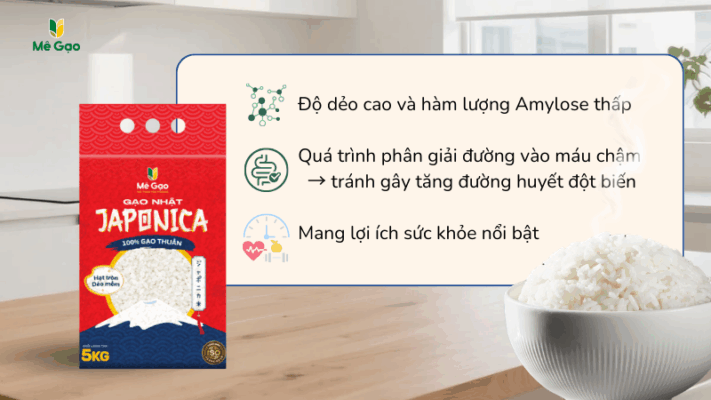
- Biological characteristics: Japonica Rice has round grains, high stickiness and low amylose content, which makes the rice soft and easy to eat while still keeping digestion steady.
- How it stabilizes blood sugar: Because it contains plenty of complex starch and some natural fiber, Japonica Rice slows the release of glucose into the blood. This helps limit rapid blood sugar spikes after meals, which is especially important for people with diabetes.
- Nutritional value: Analyses of the nutritional value of Japonica Rice show that this rice contains no cholesterol, is low in fat and provides steady energy. Its ability to keep you full for longer also helps you control portions more effectively.
Thanks to these characteristics, Japonica Rice is considered a suitable choice for people who need to control their blood sugar or are on a diet, as long as it is eaten in reasonable portions and paired with the right foods.
Nutritional comparison of Japonica Rice with ST21 Rice and KDM Rice
To help you easily picture the differences and choose the rice that best suits your blood sugar goals and your family’s preferences, Mê Gạo provides a detailed nutritional comparison table:
| Component | Japonica Rice | ST21 Rice | KDM Rice |
| Energy | ≥ 347 kcal | ≥ 349 kcal | ≥ 346 kcal |
| Carbohydrate | ≥ 77.3 g | ≥ 79.0 g | ≥ 77.98 g |
| Protein | ≥ 8.0 g | ≥ 6.47 g | ≥ 6.6 g |
| Fat | ≥ 0.6 g | ≥ 0.84 g | ≥ 0.56 g |
| Sodium | ≥ 2.9 mg | ≥ 1.02 mg | ≥ 3.59 mg |
Should people with diabetes or those losing weight eat Japonica Rice?
Many people believe that if they have diabetes or are on a weight-loss diet, they need to cut out starch completely. However, this is a misconception. The body still needs carbohydrates for energy; what matters is the type of starch and how you eat it.
Japonica Rice is a suitable choice when eaten correctly, thanks to its slowly absorbed starch and its ability to keep you full for longer.
For people losing weight:
- Japonica Rice contains more protein than many other types of white rice, which helps maintain muscle mass and limit muscle loss while losing weight.
- Its complex starch and sticky grain structure help you stay full longer, reducing snack cravings and helping you control your total calorie intake.
For people with diabetes:
- Patients can still eat Japonica Rice in reasonable portions (about 1/2 bowl of rice per meal).
- Thanks to its medium glycemic index and slow absorption, Japonica Rice is less likely to cause sudden blood sugar spikes than many other types of white rice.
- Combine it with GI-lowering methods such as eating it with green vegetables and protein and controlling the order in which you eat.
Important notes:
- Do not eat rice on its own without fiber and protein
- Avoid overeating or eating large amounts of starch continuously
- Prioritize a balanced diet instead of drastic cuts
How to eat Japonica Rice while keeping blood sugar stable
You do not need to remove Japonica Rice – your family’s favorite soft, tender, lightly fragrant rice – from the menu if you follow these 4 rules:
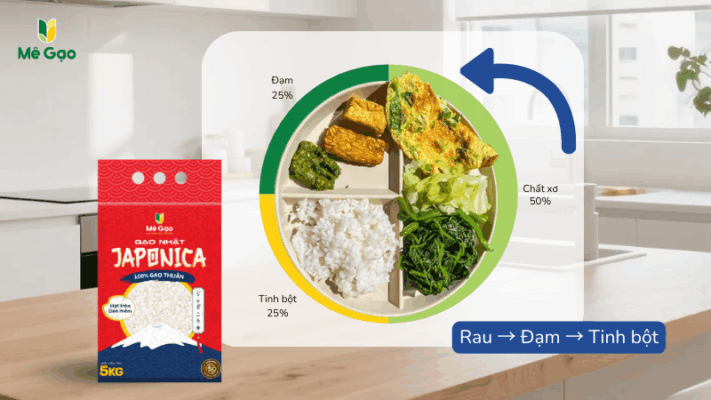
1. Eat vegetables and protein before rice
When you eat vegetables (fiber) and meat/fish (protein) first, they form a layer that slows the digestion and absorption of carbohydrates from the rice. The right eating order is: Green vegetables -> Meat/Fish/Eggs -> Japonica rice.
2. The “cold rice” method
A standout advantage of Japonica Rice is that it stays soft and delicious even when cooled. You can take advantage of this by cooking the rice and then refrigerating it for 12 – 24 hours.
Chilling converts regular starch into resistant starch. Resistant starch works much like soluble fiber: it does not break down into sugar in the small intestine, which significantly lowers the GI of the meal. You can reheat the rice to eat without losing the resistant starch.
3. Cook it with grains/beans
Instead of cooking only white Japonica Rice, mix in black beans, red beans, quinoa or oats. The plant protein and abundant fiber in these grains slow the rate at which the sugar in white rice is metabolized, helping keep blood sugar at a safe level.
4. Use vinegar or coconut oil when cooking
- Coconut oil: Add 1 teaspoon of coconut oil to the water before cooking the rice. The lipids in the oil bind with the starch during heating, changing the starch structure and slowing sugar absorption.
- Apple cider vinegar/rice vinegar: The acetic acid in vinegar helps inhibit the starch-digesting enzymes in saliva and the stomach. You can mix a little vinegar into the rice (the way the Japanese make sushi rice) to effectively lower its GI.
Frequently Asked Questions (FAQ)
What foods should you pair with Japonica Rice to balance blood sugar?
Pair Japonica Rice with fiber-rich foods (broccoli, asparagus, spinach) and lean protein (chicken breast, salmon, tofu). Avoid eating Japonica rice with stews high in animal fat or sauces with lots of refined sugar as much as possible.
Should pregnant women with gestational diabetes include Japonica Rice in their diet?
Pregnant women with gestational diabetes can eat Japonica Rice. However, they should stick to about 1/2 – 1 small bowl of rice per meal and must follow the rule of “eat green vegetables and protein first, rice later”. They should also split their food into 5-6 small meals a day to avoid blood sugar spikes after main meals.





