
 About Us
 News
 Store Locator
 Support
How Long Does Japonica Rice Last in the Fridge? How to Store Cooked Rice Overnight

Cooked Japonica Rice keeps safely in the fridge for 3-5 days (refrigerator compartment) and 1-2 months (freezer) if stored properly. Japonica Rice stands out for its stickiness, high cohesion and natural sweetness, so many families often cook extra to eat later. However, if stored incorrectly, the rice can easily lose its stickiness and flavor or become contaminated with bacteria that cause food poisoning.
In the article below, Mê Gạo shows you how to properly store cooked Japonica Rice overnight.
How long Japonica Rice keeps
The safe storage time depends on the state of the rice (uncooked or cooked) and the storage method.
For cooked rice
To keep the rice white, soft and very sticky with a slight chewiness, a distinctive aroma and mild sweetness, pay attention to how long you store it in the fridge.
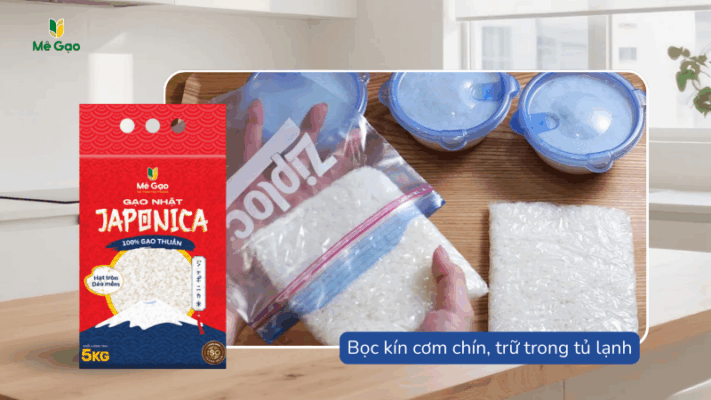
- Refrigerator compartment: Tightly wrapped Japonica Rice can be stored safely for 3 to 5 days.
- Freezer: If you want to keep it longer, tightly wrapped frozen rice can be used within 1 to 2 months while still keeping the ideal cohesion for making sushi and other dishes that need high stickiness.
For uncooked rice
Follow the standard way to store Japonica Rice by keeping it in an airtight bin or container in a dry, cool, well-ventilated place to prevent weevils. It is best used within 6 – 12 months of the production date.
Signs that cooked Japonica Rice has gone bad
Cooked Japonica Rice has high moisture and is rich in starch, so it spoils easily if kept too long or stored improperly. When rice starts to go bad, clear changes appear in its smell, color and texture. These signs are often linked to the growth of bacteria such as Bacillus cereus, which can cause food poisoning if the rice is still eaten.
- Unusual change in smell: Good Japonica Rice has a light, natural aroma. When it spoils, it develops a sour, rancid or unpleasant smell. This is an early sign that the rice has started to ferment or has been contaminated by bacteria.
- Mold spots or discoloration: If you see unusual spots on the surface of the rice, such as green, black, yellow or pink, mold has grown. Once mold appears, discard all of the rice, because the microorganisms have already spread, even if you only see it in one small spot.
- Changed texture: Spoiled Japonica Rice is no longer soft and tender but becomes slimy, watery or crumbly. In some cases, it may become abnormally stringy, showing that the starch structure has completely broken down.
If the rice shows any of the signs above, the safest thing to do is throw it away immediately to protect your digestive system and health.
How to store cooked Japonica Rice overnight
To store cooked Japonica Rice overnight so that it stays soft and safe to eat, you need to control the temperature, humidity and storage environment from the moment the rice finishes cooking.
1. Cool the rice properly before refrigerating
- After cooking, fluff the rice so the steam escapes evenly and moisture does not build up in parts of the rice. However, do not leave the rice at room temperature for too long. The maximum safe time is about 2 hours, because this temperature range allows bacteria such as Bacillus cereus to multiply quickly.
- Once the rice has cooled down but is still slightly warm, store it right away to best preserve its texture.
2. Store airtight to keep the rice’s natural moisture
The stickiness of Japonica Rice depends largely on the water inside the grains. When exposed directly to the cold air in the fridge, moisture is drawn out quickly, leaving the rice dry and hard.
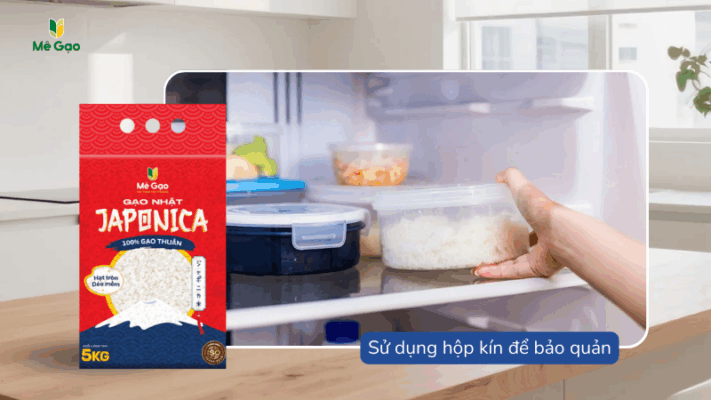
Therefore, place the rice in an airtight container or wrap it tightly in cling film to limit moisture loss and keep it soft after reheating.
3. Divide into small portions for the best quality when reusing
- Instead of storing a whole large pot of rice, dividing it into small portions for each meal helps maintain better quality.
- When the rice is portioned and wrapped tightly from the start, the moisture inside stays stable, so each portion stays tender when reheated, without drying out, hardening or clumping.
4. Choose the refrigerator compartment or freezer depending on when you will eat it
- If you plan to eat it the next day, store the Japonica Rice in the refrigerator compartment to keep its natural texture.
- If you need to keep it longer, freezing is an effective way to “lock in” the starch structure and limit changes in quality. When thawed and reheated properly, the rice can stay almost as tender and delicious as when freshly cooked.
How to reheat Japonica Rice properly
You can use either of two methods:
- Microwave: Put the rice in a bowl and drizzle 1-2 teaspoons of filtered water over the surface. Cover tightly with microwave-safe cling film or put the lid on slightly ajar. Microwave for 1.5 – 2 minutes.
- Steaming: This is the best method. Bring water to a boil, spread the rice evenly in a steamer and steam for about 5-7 minutes. The steam penetrates the rice, making it fluffy, tender and mildly sweet again.
Frequently Asked Questions (FAQ)
Can cooked Japanese rice be left out overnight at room temperature?
No. Although cooked Japonica Rice still tastes good when cooled, at room temperature (especially in hot, humid climates) Bacillus cereus bacteria multiply very quickly and can cause food poisoning. You must refrigerate the rice if it is not eaten within 2 hours.
Does frozen Japonica Rice need to be thawed before reheating?
It does not need to be fully thawed. You can reheat it directly in the microwave or by steaming. However, add a little water to help the rice regain moisture and become softer after reheating.





