 About Us
 News
 Store Locator
 Support
How to Store Japonica Rice and Prevent Weevils Effectively

Japonica Rice is a short, round-grain rice known for its high stickiness, light sweetness and rich nutritional content, including protein and natural fats. These very characteristics make it prone to weevils and mold if stored incorrectly, especially in a hot, humid climate.
In the article below, Mê Gạo gives you a detailed guide to storing Japonica rice so you can preserve its full flavor for your family meals.
Why is Japonica rice more prone to mold and weevils than regular rice?
Japonica Rice is more prone to mold and weevils than ordinary non-glutinous rice because of its sticky, nutrient-rich grains and high moisture retention. If not stored properly, these factors unintentionally create a favorable environment for insects and fungi to thrive.
- Rich in nutrients and minerals: Japonica rice is highly nutritious. Every 100 g provides Protein ≥ 8.0 g and Fat ≥ 0.6 g. This natural protein and fat content unintentionally becomes an ideal food source that attracts weevils and helps them multiply quickly.
- Japonica rice grains naturally retain moisture very well. However, in Vietnam’s weather conditions, this trait can easily create a favorable environment for mold to grow if the packaging is not tightly sealed.
- Sweetness and high stickiness: This rice is known for its distinctive mild sweetness. In nature, grains that are sweet and very sticky tend to attract insects more strongly, and they also lose their natural aroma easily if exposed to outside air for a long time.
3 principles to keep in mind before storing Japonica rice
Before storing your rice, you need to master these 3 basic principles to preserve the full quality of the grains:
1. Check the packaging carefully as soon as you buy it
- Choose products that are tightly and securely packaged.
- Check carefully for signs of tears, holes or open seams.
- Avoid buying products that show signs of moisture or insect infestation.
2. Clean the storage container
- Containers (plastic bins, ceramic jars, glass boxes) must be washed and dried completely before adding new rice.
- Do not pour new rice on top of the old rice at the bottom of the bin. Leftover bran dust and moisture create an environment where weevils can multiply rapidly.
3. Placement: Avoid sunlight and damp floors
- Avoid sunlight: High temperatures remove the rice’s natural moisture, making the grains dry and brittle so they lose their plump, round shape. Heat also destroys the distinctive aroma and natural mild sweetness of Japonica rice.
- Avoid damp floors: Keep the rice bin off the ground (on a shelf or rack). Moisture rising from tiled floors can easily make rice moldy and spoiled.
4 effective ways to store Japonica rice
To keep your rice sticky and fragrant and to prevent weevils and mold, you can use the following methods to store Japonica rice.
Method 1: Store in the refrigerator
- Storing rice in the refrigerator is an effective way to prevent weevils and keep rice delicious and free from mold, especially premium rice.
- Advantages: This method completely eliminates the risk of weevils developing inside the rice.
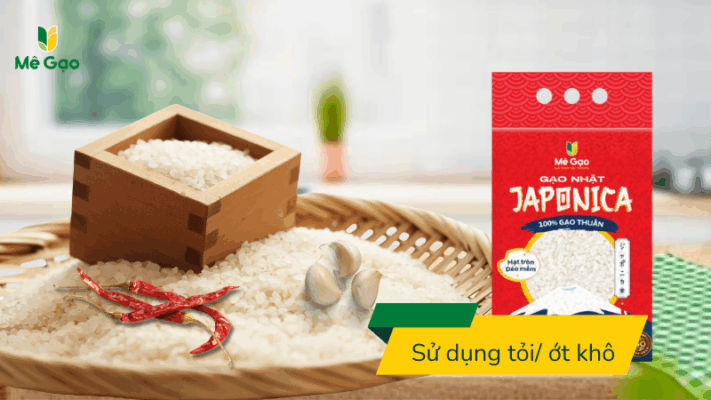
Method 2: Use garlic and dried chili peppers
Using garlic and chili peppers is a traditional trick that is extremely effective and safe.
- Place 3-4 peeled garlic bulbs or a handful of dried chili peppers in the corners of the rice bin, then close the lid tightly.
- Advantages: The natural pungent smell of garlic and chili peppers thoroughly repels insects.
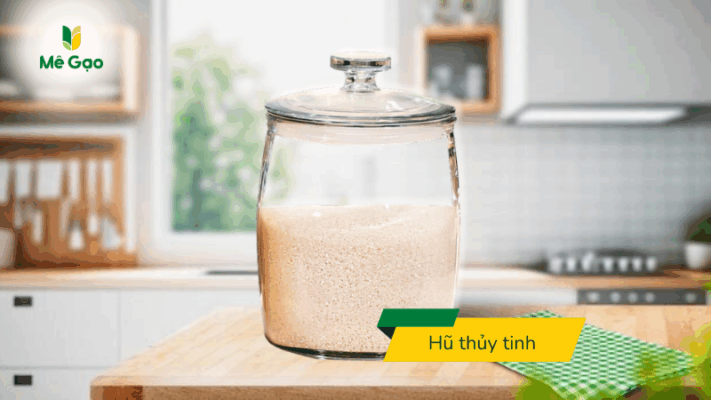
Method 3: Use a dedicated container with a silicone seal
Humid air is the main cause of moldy rice and declining quality.
- Use plastic or glass rice containers or bins with lids fitted with an airtight silicone seal.
- Advantages: It keeps out as much air as possible, preventing the rice from going moldy or losing its original flavor.
If you follow the right airtight or vacuum-sealed storage methods, Japonica rice can keep its quality for 6 to 12 months. Once the bag is opened and used daily, the ideal storage time for the rice to keep its mild sweetness and light aroma is within 1-2 months.
Should you buy a smart rice container?
Yes. Smart rice containers usually have a tightly sealed lid and an automatic measuring tray that lets you dispense rice without opening the whole lid, minimizing air exposure. Method 4: Vacuum sealing
- If your household is small or you stock up on large quantities during promotions, divide the rice into special bags and use a vacuum sealer.
- Advantages: Removing all the air prevents mold and weevils from multiplying. Rice stored this way can be kept longer while the grains keep their original shape.
Signs that Japonica rice has gone bad and what to do
Even with careful storage, humid weather can sometimes affect rice quality. Recognizing the signs of spoiled rice early will help you handle the problem safely and quickly:
- Weevils in the rice:
Spread the rice in a thin layer on a large tray and leave it in a cool, shady, well-ventilated place (never dry it directly under harsh sunlight, as this can make the grains dry out and crack). The weevils will crawl away on their own. Then simply sift and winnow the rice to remove bran dust and put it in an airtight container.
- Clumped rice with a sour, musty smell:
This is a sign that the rice is contaminated with mold and has lost its aroma and safety.
What to do: Discard this rice immediately. Mold on grains produces aflatoxin, a toxin that cannot be completely destroyed even when cooked at high temperatures.
Frequently Asked Questions (FAQ)
How long does Japonica rice keep?
If you follow the right airtight or vacuum-sealed storage methods, the rice can keep its quality for 6 to 12 months. Once the bag is opened and used daily, the ideal storage time for the rice to keep its mild sweetness and light aroma is within 1-2 months.