
 About Us
 News
 Store Locator
 Support
How Many Calories Are in One Bowl of Japonica Rice? Compared with ST25 Rice and Dai Thom Rice

In our daily diet, rice is the main source of energy, but not all rice offers the same nutritional value. Differences in rice variety, grain structure and cooking method can directly affect how much energy (calories) the body absorbs and how full you feel after a meal. Japonica Rice is becoming more and more popular thanks to its tender, soft texture and distinctive light sweetness.
Understanding the differences between rice types and the nutritional value of each helps you plan portions that suit your personal goals, from maintaining energy for daily activities to managing your weight and staying healthy in the long term.
Calories in 100 g of Japonica Rice in detail
Japonica Rice is rich in nutrients and provides enough energy for daily activities. Specifically, 100 g of pure Japonica Rice contains:
| Nutrient | Amount (per 100 g) |
| Energy (calories) | ≥ 347 kcal |
| Carbohydrate | ≥ 77.3 g |
| Protein | ≥ 8.0 g |
| Fat | ≥ 0.6 g |
| Sodium | ≥ 2.9 mg |
Japonica Rice vs. ST25 Rice vs. Dai Thom Rice
To make choosing rice for your daily meals easier, below is a table comparing the characteristics of three popular rice types:
| Criteria | Japonica Rice | ST25 Rice | Dai Thom Rice |
| Grain characteristics | Short, round grains. Plump, uniform, bright white grains with few broken pieces. | Long and slender, translucent white, not chalky, with beautiful whole grains. | Large, long grains, shorter than ST25, translucent white, full, whole and unbroken. |
| Aroma | Distinctive aroma. | Natural fragrance like pandan leaves blended with young green-rice flakes, fragrant even before cooking. | Gentle aroma like natural pandan leaves. |
| Cooked rice characteristics | Very sticky, soft rice with a light aroma and mild sweetness. White rice that is slightly chewy and highly sticky. | Grains expand little; soft, tender and delicious with a mild sweetness. | Grains expand moderately; moderately sticky, soft yet fluffy. |
| Quality when cooled | The rice stays soft and delicious even when cooled. | The rice stays soft and tender without drying out or hardening. | |
| Nutrition (per 100 g) | Energy ≥ 347 kcal, Protein ≥ 8.0 g. | Energy ≥ 330 kcal, Protein ≥ 7.0 g. | Energy ≥ 340 kcal, Protein ≥ 6.98 g. |
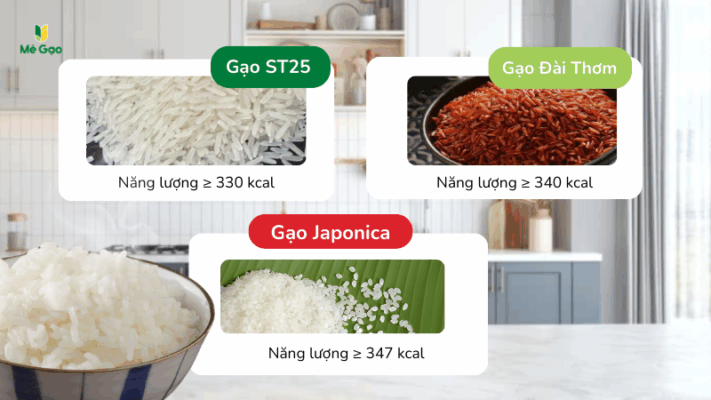
The outstanding nutritional value of Japonica Rice
Japonica Rice is not only a source of energy but also offers balanced nutritional value, suitable for both maintaining good health and managing your diet.
What makes Japonica Rice from Mê Gạo stand out is its relatively high protein content (≥ 8 g/100 g) compared with many popular white rice varieties. Protein plays an important role in maintaining and repairing muscle, which is especially helpful for people who exercise regularly or are on a weight-management diet.
In addition, the starch structure of Japonica Rice tends to be sticky and is digested more slowly, which helps:
- Keep you feeling full longer after meals
- Reduce snacking between meals
- Keep your energy levels stable throughout the day
Besides carbohydrates and protein, this rice also provides small amounts of natural minerals such as sodium and micronutrients that support the body’s metabolism.
Thanks to its combination of nutritional value, ability to keep you full and safe production, Japonica Rice is a suitable choice for health-focused diets such as eat clean or weight management.
Tips for eating Japonica Rice the right way: “Eat well and stay in shape”
To make the most of the nutritional value of Japonica Rice and enjoy delicious meals while keeping your weight stable, you can follow these principles:
1. Control your portions
- Keep to about 1/2 – 1 bowl of rice per meal
- Avoid eating too much rice at once, especially in the evening
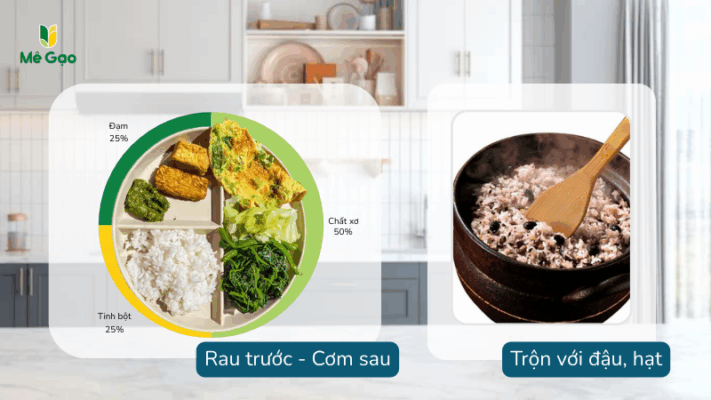
2. Eat vegetables before rice
- The fiber in vegetables helps slow the absorption of starch
- Naturally reduces the amount of rice you eat
3. Pair it with healthy protein
- Eat it with chicken breast, fish, eggs or beans
- Helps balance nutrition and keeps you fuller
4. Lower the calorie density by mixing in other grains
- Mix Japonica Rice with:
- Black beans
- Red beans
- Quinoa
- Adds fiber and reduces fast-absorbing starch
5. Limit greasy side dishes
- Avoid deep-frying and stir-frying with lots of oil
- Choose steaming, boiling or pan-searing with little oil.
Sample one-day menu with Japonica rice under 1500 calories
A balanced menu helps you enjoy the mild sweetness and light aroma of Japonica Rice while staying in ideal shape:
| Meal | Suggested dishes | Estimated calories |
| Breakfast | 2 slices of whole-grain bread + 1 fried egg + 1 glass of unsweetened nut milk | ~ 350 kcal |
| Lunch | 1 bowl of Japonica rice mixed with black beans + 150 g pan-seared chicken breast + 1 plate of sprout and cucumber salad | ~ 450 kcal |
| Afternoon snack | 1 apple or 1 cup of unsweetened yogurt | ~ 100 kcal |
| Dinner | 1/2 bowl of Japonica rice + 150 g grilled salmon with asparagus + seaweed and silken tofu soup | ~ 450 kcal |
Frequently Asked Questions (FAQ)
Should you eat Japonica Rice when losing weight (eat clean)?
Absolutely. Japonica Rice provides clean starch and steady energy. As a 100% pure rice product with no preservatives, it is a quality source of carbohydrates for an eat-clean menu, as long as you control your portions (about 1/2 – 1 bowl per meal) and eat plenty of green vegetables.
Why does the same bowl of uncooked rice yield less cooked rice with Japonica Rice than with regular rice?
The same bowl of uncooked Japonica Rice yields less cooked rice than regular rice because this variety expands less. Instead of puffing up into fluffy, separate grains like regular rice, the short, round Japonica grains become very sticky and soft as they absorb water and cling tightly together. As a result, the finished cooked rice looks like less than regular rice.





