 About Us
 News
 Store Locator
 Support
How to Cook Japonica Rice: Soft, Sticky and Fragrant Rice with Authentic Japanese Flavor

Japonica Rice is a premium rice originating in Japan, known for its short, round, bright white and uniform grains. Unlike ordinary white rice, Japonica Rice has a high amylopectin content, so the cooked rice is very sticky and soft, with a natural mild sweetness.
When cooked with the right technique, Japonica rice stays soft and cohesive even when cooled. That is why this rice is often used in dishes such as sushi, onigiri rice balls and bento boxes.
Notes when cooking Japanese Japonica Rice
For cooked rice that is soft and sticky and keeps its full natural sweetness, keep the following in mind:
Rinse the rice gently
When rinsing the rice, stir it only gently to remove dust. Scrubbing too hard will wash away nutrients and damage the surface of the grains, making the rice lose its natural gloss.
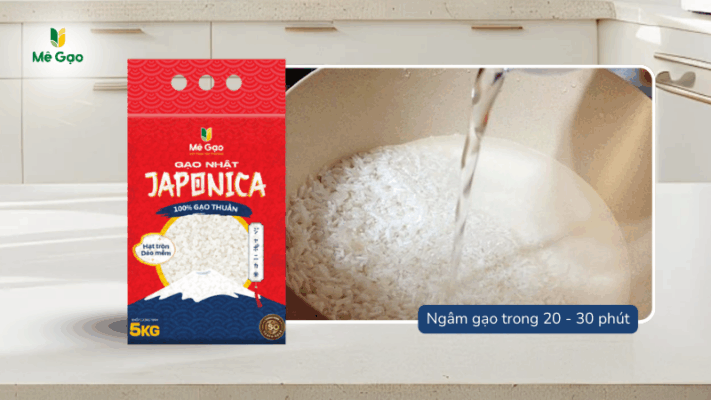
Soaking time
This is the most important step for increasing stickiness. The ideal time is 20 to 30 minutes before you press the cook button. Soaking gives the cooked rice its soft, sticky texture with a characteristic slight chewiness.
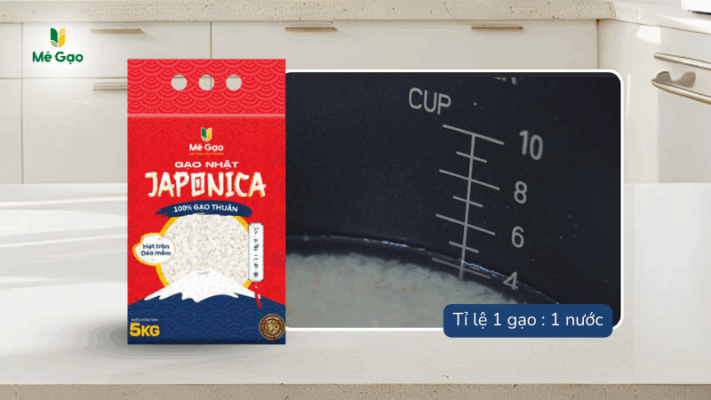
Water ratio
Japanese Japonica Rice requires a precise amount of water to keep the rice from turning mushy. The recommended ratio is usually 1 bowl of rice : 1.2 bowls of water. However, you can adjust it slightly depending on whether you prefer your rice very sticky or moderately sticky.
How to cook Japonica Rice in a rice cooker
To cook delicious, soft and sticky Japonica Rice in a rice cooker, follow the cooking instructions below carefully.
Step 1: Rinse the rice properly
Put the Japonica Rice in the pot, add clean water and rinse it gently 2–3 times.
- Stir gently to remove dust
- Do not scrub hard, to avoid losing the bran layer
- After rinsing, let the rice drain for about 3–5 minutes to stabilize its initial moisture.
Step 2: Soak the rice
Measure the water at the standard ratio of 1 bowl of rice : 1.2 bowls of water, then soak the rice for 20 – 30 minutes so the water penetrates to the core of the grains, helping the rice cook evenly and achieve its characteristic soft, sticky texture.
Step 3: Cook the rice
Wipe the bottom of the pot dry, place it in the rice cooker and select “Cook”, keeping the lid closed throughout cooking to maintain steady heat and steam.
Step 4: Let the rice rest after cooking
When the cooker switches to “Warm” mode, let the rice rest for another 10–15 minutes without opening the lid so the steam is distributed evenly, helping the Japonica grains expand fully and become softer and stickier.
Step 5: Fluff the rice
After resting, gently fluff the rice with a paddle to release excess steam, and the rice will become firmer and glossier. Notably, Japonica rice stays soft and delicious even when cooled.
Q&A: Why is your Japonica rice undercooked or hard?
- When Japonica rice turns out undercooked or hard instead of its characteristic soft, sticky texture, it is usually because the soaking step was skipped. Because the grains have a firm core, if they are not soaked long enough, water cannot penetrate inside in time, so the rice cooks unevenly – soft on the outside but still dry and undercooked inside.
- Another important cause is using the wrong amount of water. Japonica Rice absorbs a lot of water, so if you add too little, the rice will be dry and hard; on the other hand, too much water will make it mushy and lose its natural stickiness. Measuring the water precisely at the standard ratio is the deciding factor in the texture of the cooked grains.
- In addition, not letting the rice rest after cooking also keeps it from reaching the desired softness. If you open the lid as soon as the cooker switches to warm mode, the steam has not had time to distribute evenly and the grains have not fully expanded, so the rice is hard and lacks stickiness. The resting stage completes the structure of the grains and enhances their natural cohesiveness.
- Opening the lid during cooking is another common mistake. When the lid is opened, heat and steam escape, interrupting the cooking of the Japonica Rice. This makes the grains cook unevenly, leaving them undercooked or hard at the core.
- The quality of the Japonica Rice also directly affects the result. If you use blended rice rather than 100% pure rice, the cooked rice will be uneven, with some grains soft and others hard. That is why choosing quality, 100% pure Japonica Rice is key to ensuring your rice is always perfectly soft and sticky.
Simple, delicious Japonica Rice dishes to make at home
Thanks to its sticky, soft and cohesive qualities, Japonica Rice is not only great as plain rice but also an ideal ingredient for a wide variety of Japanese-style and modern dishes. Here are some easy, delicious dishes to make at home that let you make the most of this rice’s quality:
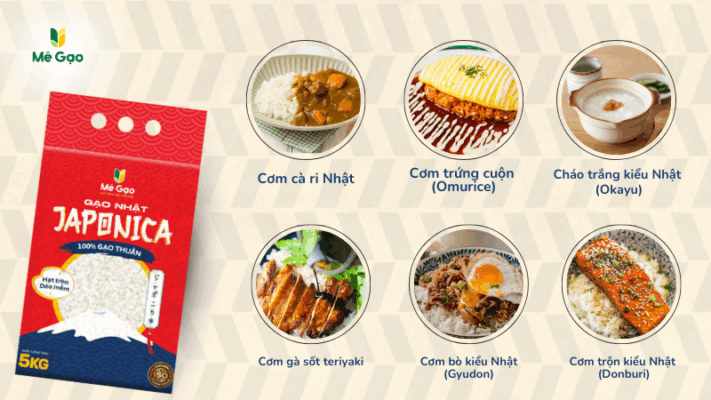
Japanese curry rice
Japonica rice paired with Japanese curry makes a rich, lightly creamy dish that is very easy to eat. The stickiness of the rice holds the sauce better, creating a well-rounded flavor when enjoyed with chicken, beef or vegetables.
Omelet rice (Omurice)
This famous Japanese dish combines fried rice with a soft, smooth layer of egg on the outside. Japonica Rice keeps the rice inside moist rather than dry, creating a perfect balance with the rich egg layer.
Japanese rice porridge (Okayu)
Japonica Rice is excellent for porridge, which has a smooth, creamy texture that is easy to eat and suitable for people who are unwell, and especially for cooking porridge for babies at the weaning stage.
Teriyaki chicken rice
Japonica rice served with grilled or pan-fried chicken in teriyaki sauce makes a flavorful dish that balances salty-sweet flavors with the stickiness of the rice. The grains hold the sauce well, enhancing the taste experience.
Japanese beef bowl (Gyudon)
Gyudon is a rice dish topped with beef stir-fried with onions in a rich sauce. Japonica Rice makes the dish more well-rounded and easy to eat, which is especially ideal for a quick yet nutritious meal.
Japanese rice bowls (Donburi)
You can turn Japonica rice into many kinds of donburi, such as egg bowls, fish bowls and breaded pork cutlet bowls. Its stickiness and ability to hold its shape make the dish attractive and easy to enjoy.
Frequently Asked Questions (FAQ)
Does Japonica Rice need to be rinsed very thoroughly?
No, it shouldn’t be. Just rinse it gently to remove dust. Rinsing too thoroughly washes away the bran layer, which contains many important vitamins and minerals.
Does Japanese rice taste good cooked in a clay pot?
Yes, it’s delicious. A clay pot retains heat well and distributes it evenly, helping the Japonica grains cook through and release their distinctive aroma. However, you need to control the heat more carefully than with a rice cooker.
Where can you buy Mê Gạo Japonica Rice from a trusted source?
Mê Gạo products are available at:
- Hanoi: Tmart and HomeFarm stores.
- Ho Chi Minh City: KingFoodMart stores.
- Online: Mê Gạo’s official stores on Shopee and TikTok Shop.
- Support hotline: 0973 978 039.
Japanese Japonica Rice not only gives you irresistible bowls of soft, sticky, lightly fragrant and mildly sweet rice but is also an ideal, safe and nutritious choice for every member of the family. With our commitment to 100% pure rice with no blending, Mê Gạo is always by your side to make every meal more complete.