
 About Us
 News
 Store Locator
 Support
Is Japonica Rice Sticky? Comparing Its Stickiness with ST25 Rice

Japonica Rice is highly sticky and holds together far better than many ordinary rice varieties. This comes from the large proportion of amylopectin in its starch structure, which helps the cooked grains cling tightly to one another. When you eat it, Japonica rice feels soft and slightly chewy, with a natural mild sweetness and a gentle, pleasant aroma.
Another standout advantage is its ability to stay moist and consistently sticky even when cooled or reheated, something not every rice can do. Thanks to these qualities, Japonica Rice is especially suitable for people who love very sticky rice, or for dishes that need to hold together well, such as sushi, rice balls and smooth, thick rice porridge.
Texture characteristics of Japonica Rice
The texture of Japonica Rice is clearly different from long-grain Indica varieties. The standout qualities that define this rice include:
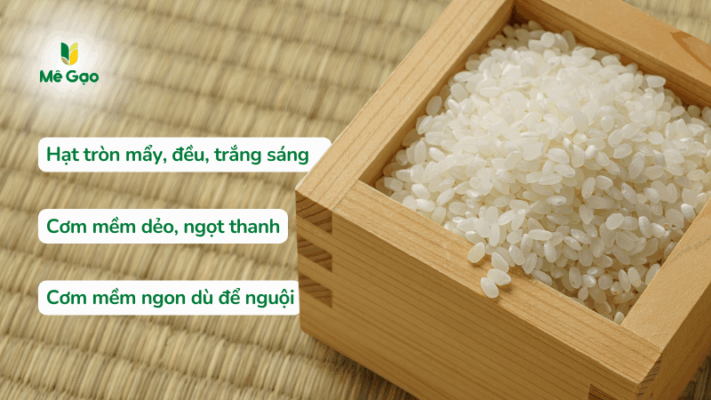
- Shape and color: Japanese Japonica Rice has short, round grains. The grains are plump, round, uniform, rarely broken and bright white.
- When cooked: The rice is white, soft and very sticky, slightly chewy, with a distinctive aroma and mild sweetness. The grains tend to cling closely together, forming a cohesive mass without turning mushy.
- When cooled: The greatest advantage of Japonica is that the rice stays soft and delicious even when cooled. The grains retain their moisture and slightly chewy, sticky texture, without ever hardening or drying out.
Comparing stickiness: Japonica Rice vs. ST25 Rice
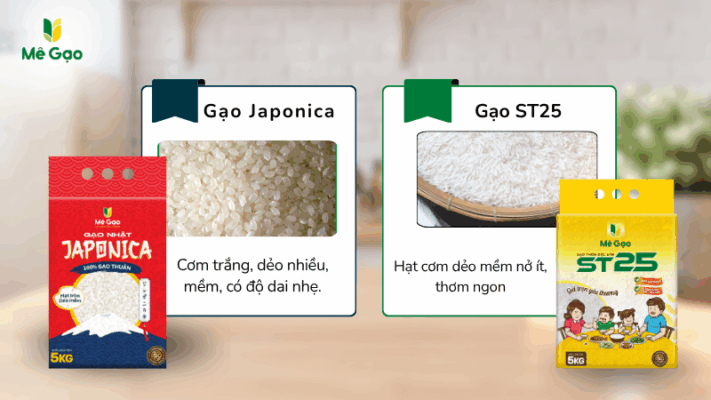
Japonica Rice and ST25 Rice are both premium, delicious sticky rice varieties, but their “stickiness” and grain structure have distinct characteristics that suit different culinary needs:
| Criteria | Japonica Rice | ST25 Rice |
| Stickiness | White, soft, very sticky, slightly chewy. | When cooked, the grains are soft and tender, expand only slightly, taste delicious and leave a mild, sweet aftertaste. |
| Grain shape | Short, round grains. Plump, round, uniform, rarely broken and bright white. | Long and slender, translucent white, not chalky, with beautiful whole grains. |
| Aroma | Distinctive aroma | A natural fragrance like pandan leaf blended with young green-rice flakes (com), noticeable even before cooking. |
| When cooled | Stays soft and delicious even when cooled. | Stays soft and tender, without drying out or hardening. |
Conclusion: If you need rice for clay pot rice (com nieu) or everyday family meals with a soft, tender texture and pandan aroma, ST25 Rice is the perfect choice. On the other hand, if you need rice that holds together well and is slightly chewy for shaping or for cooking smooth, thick porridge, Japonica Rice has the edge.
What dishes is Japonica Rice best for?
Thanks to its short-grain structure and high stickiness, Japonica Rice is a key ingredient for certain specialized dishes, especially in East Asian cuisine.
Making sushi/kimbap/rice balls
Japonica Rice is especially ideal for making sushi and other dishes that need to hold together well. When mixed with vinegar or sesame oil, the rice does not fall apart, making it easy to roll in seaweed (kimbap) or shape rice balls (onigiri) that are perfect in both flavor and appearance.
Cooking porridge for babies
Japonica Rice grains are rich in nutrients and blend beautifully when simmered until soft. When you follow how to cook Japonica rice porridge for babies, the result is very smooth and thick, with a sweet, fragrant rice starch layer rich in nutrients and minerals. That is why this rice is great for both adults and young children, and especially gentle on the developing digestive systems of babies at the weaning stage.
How to cook Japonica Rice for the perfect stickiness
- Rinse the rice: Rinse gently 2-3 times with clean water to remove dust and dirt. Avoid scrubbing too hard, which can break the grains and strip away the nutrient-rich outer bran layer.
- Balance the water ratio: Use a rice-to-water ratio of 1 : 1-1.2 (adjust the water to your preference).
- Fluff the rice: After the cooker switches to keep-warm mode, leave the rice to rest for another 10 minutes. Then open the lid and gently fluff the rice with a spoon to let excess steam escape, making the rice glossier and more delicious.
Where to buy reputable 100% pure Japonica Rice?
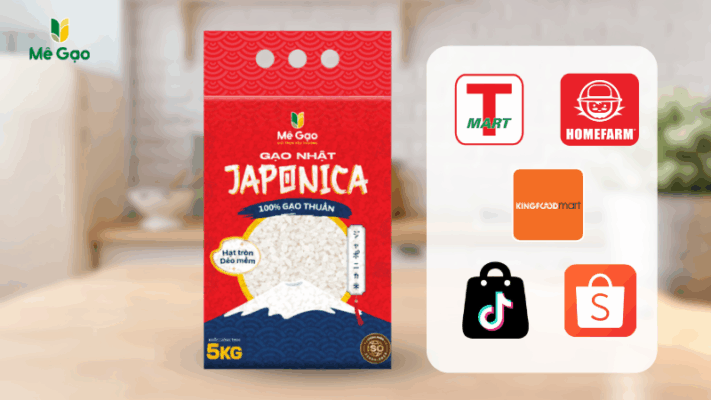
For our customers’ convenience, the Mê Gạo distribution network is available at reputable retailers nationwide. Consumers can easily buy the product in person from our official distribution partners in each region:
- In Hanoi: The product is available at Tmart and HomeFarm stores.
- In Ho Chi Minh City: Customers can buy it at KingFoodMart.
- Online: Customers can find Mê Gạo’s official stores on e-commerce platforms such as Shopee and TikTok Shop for convenient shopping and shipping offers.
- Direct advice: To make sure you buy genuine products and get detailed advice, you can contact us directly via the hotline 0973 978 039 for support.
Mê Gạo Japanese Japonica Rice meets the 100% pure rice standard: no blending, only one single rice variety, grown from pure-strain seed. The product is made under a strict process, from seed selection to cultivation, ensuring consistent quality.
Frequently Asked Questions (FAQ)
Does refrigerated Japonica rice get dry and hard when reheated?
No. One of the biggest advantages of this rice variety is that it stays soft and delicious even when cooled. Thanks to its unique starch molecular structure, when stored in the refrigerator and reheated (in a covered microwave dish or by steaming), the grains regain their soft, tender and slightly chewy texture almost like freshly cooked rice, without becoming dry, hard or undercooked in the center.
Can Japonica Rice be used to make fermented rice?
Japonica Rice is almost as sticky as glutinous rice, so it can definitely be fermented with yeast to make white fermented rice (com ruou). The result has a mild sweetness, a sticky texture and a delicious, fragrant liquid.





