 About Us
 News
 Store Locator
 Support
Pure ST25 Rice vs. ST25 Rice-Shrimp Rice: Which Should You Choose?

Are you torn between pure ST25 Rice and ST25 rice-shrimp rice? They come from the same rice variety, so why do their prices differ by 10,000 VND to 20,000 VND/kg? Is the difference in flavor, tenderness and cleanliness really worth the money?
In this article, Mê Gạo points out the differences between the two, from farming methods and real-life flavor to the nutritional value of each, to help you make the right choice.
How is pure ST25 Rice different from ST25 rice-shrimp rice?
Mê Gạo will help you clearly analyze the differences between the traditional ST25 model (monoculture) and the ST25 rice–shrimp model (crop rotation) so you can see the unique value of each.
Pure ST25 Rice
Pure ST25 Rice is chosen by many customers for its good balance of tenderness, fragrance, distinctive sweet aftertaste and reasonable price for family meals.
- Growing environment: The rice is grown on specialized loamy farmland in Soc Trang and other Mekong Delta provinces.
- Farmers cultivate intensively, growing 2 to 3 crops per year. Because of the multiple crops, the soil gets less time to rest, so growers may use fertilizers and crop protection measures within permitted standards to ensure yields.
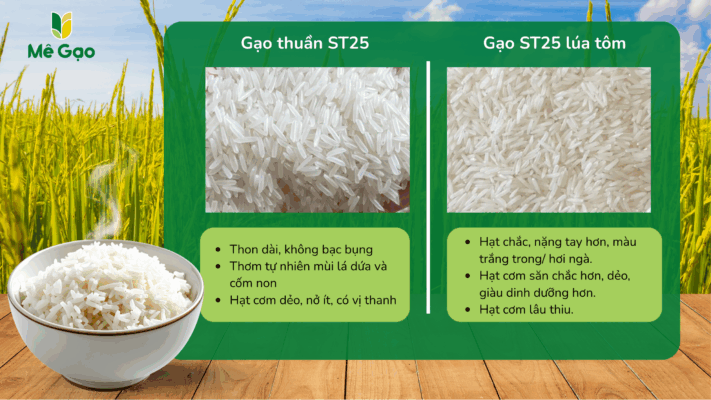
- Characteristics: Long, slender, translucent white grains with no chalkiness. When cooked, the rice is soft and tender, expands little, tastes delicious and has a mild flavor.
ST25 Rice-Shrimp Rice
ST25 rice-shrimp rice is the choice of health-conscious customers. It is grown in coastal saline (brackish water) areas under a rotation model of 1 shrimp crop – 1 rice crop.
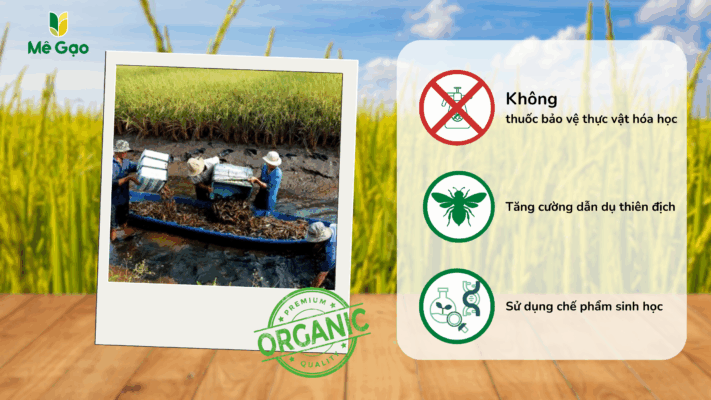
- Shrimp are extremely sensitive to their water environment. Even a small amount of pesticide or chemicals in the field will kill them instantly. Therefore, to protect the shrimp crop, farmers must say no to chemical pesticides. The rice plants grow completely naturally, cleanly and safely.
- The ST25 rice plants grow by absorbing organic waste from the previous shrimp crop and microorganisms in the soil. Thanks to this special source of nutrients, ST25 rice-shrimp rice is not only tender but also has a rich sweetness, firm grains and far more nutrients than rice grown in monoculture.
| Criteria | Pure ST25 Rice | ST25 Rice-Shrimp Rice |
| 1. Farming process | Professional intensive farming: 2-3 crops per year. Fertilizers and pesticides are used according to safety regulations. | Ecological rotation (1 shrimp – 1 rice): 1 crop per year on shrimp farming land. The rice plants grow naturally thanks to organic waste from the shrimp. |
| 2. Safety / Cleanliness | Safe to standards: Pesticide residues are strictly controlled. | Naturally clean (organic): Absolutely no chemicals used. |
| 3. Flavor & Tenderness | Natural fragrance like pandan leaves blended with young green-rice flakes; soft, tender rice that expands little, with a mild sweetness | Tender and rich: Firmer grains that taste sweeter the more you chew. Stays soft when cooled and does not spoil quickly. |
| 4. Grain shape | Long and slender, translucent white, not chalky, with beautiful whole grains | Long, slender grains that are translucent white or slightly ivory. Firm grains that feel heavier in the hand. |
Should you choose ST25 rice-shrimp rice or pure ST25 Rice?
Choose pure ST25 Rice if:
- You cook daily for a large family and need consistently delicious rice at a reasonable cost.
- You run a business, such as a clay pot rice restaurant or premium office lunch eatery, and want to improve food quality to attract customers while maintaining your profits.
Choose ST25 rice-shrimp rice if:
- You prioritize your family’s health: Your family has young children (eating baby food), elderly members or sick people who need to recover. The organic cleanliness of rice-shrimp rice offers almost absolute safety.
- You want to experience and enjoy rice with a rich flavor.
- You want to give it as a gift to partners and loved ones during holidays and Tet.
How to tell real ST25 Rice from fake on the market
The popularity of ST25 has led to a flood of ST25 rice counterfeiting tricks on the market, sold at surprisingly low prices but actually blended rice or ordinary rice in imitation packaging. To protect your family’s health, Mê Gạo shows you 3 quick steps to check for quality ST25 Rice and avoid buying fakes:
Check the packaging & brand
Pure ST25 Rice from reputable brands and distributors is always very professionally packaged. Check the following carefully:
- Print quality: Genuine packaging has sharp images, vibrant colors and clear text that is not smudged or erased. In contrast, fake rice usually comes in generic, poorly printed packaging.
- Transparent information: The packaging must include all of the following:
- A clear brand name/manufacturer.
- Production address and contact phone number.
- Nutritional information and storage instructions.
- Production date (MFG) & expiry date (EXP)
Genuine rice must have the packing date and expiry date clearly embossed or inkjet-printed. Never buy bags of rice without a date or with a date that has been erased or covered with a sticker, as it is very likely old or moldy rice that has been reprocessed.
Check the grain shape
- Pure ST25 Rice: Long and slender, translucent white, not chalky, with beautiful whole grains.
- Blended rice: A mix of short and long grains. The grains are chalky and opaque, with many broken pieces.
Check the aroma
- 100% pure ST25 Rice: A natural fragrance like pandan leaves blended with young green-rice flakes, fragrant even before cooking.
- Artificially scented rice: A very strong, pungent smell as soon as you open the bag that fades quickly after a few days or disappears completely once cooked.
Choose a reputable supplier to avoid poor-quality rice
Buy ST25 Rice from reputable distributors or supermarkets with strict incoming quality control.
- Mê Gạo supplies 100% pure ST25 Rice and says no to bulk unbranded rice, rice of unknown origin, blended rice and artificially scented rice. All the ST25 Rice that reaches you comes in branded bags with intact packaging, complete label information and, above all, a fresh date.
- Our production and packaging process meets international standards. Notably, ST25 Rice at Mê Gạo meets the international FDA and HALAL standards and holds HACCP and ISO 22000:2018 food safety certifications, so you can buy with complete peace of mind.
Frequently Asked Questions (FAQ)
1. Can people with diabetes eat ST25 rice-shrimp rice?
ST25 Rice (especially the rice-shrimp line or ST25 brown rice) has a higher protein content than ordinary white rice, helping you feel full longer. However, it is still essentially starch.
Advice: People with diabetes can eat it but should eat moderate amounts, combine it with plenty of green vegetables and consult their doctor.
2. Why is ST25 Rice more prone to weevils than ordinary rice?
The cleaner and more naturally delicious the rice, the more prone it is to weevils. Mê Gạo 100% pure ST25 Rice does not use preservatives or chemical fragrances to repel insects.
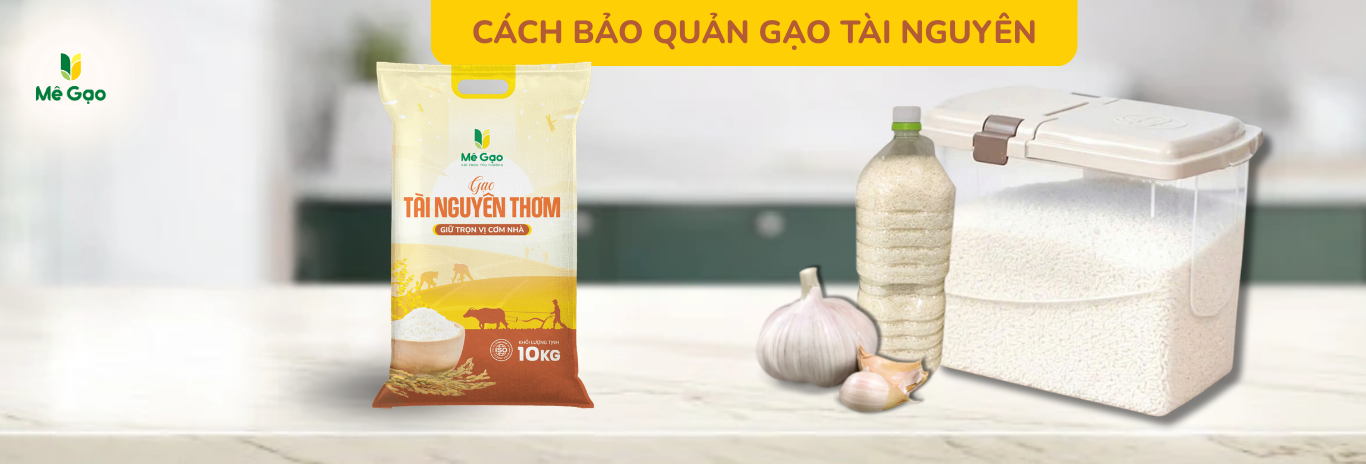
Mê Gạo recommends buying small bags (5 kg) that you can finish within 1-2 months. Store the rice in an airtight plastic container to keep weevils out completely and keep the rice tender and sweet for longer.
Pure ST25 Rice and ST25 rice-shrimp rice are both delicious, high-quality rice, and which one you choose depends entirely on your budget and your family’s taste. Call our Hotline 0973 978 039 so Mê Gạo can help you choose the perfect rice for your family today.