
 About Us
 News
 Store Locator
 Support
Quick and Effective Tips for Fixing Mushy Japonica Rice

Japonica Rice is a short, round-grain rice known for its high stickiness, light sweetness and natural aroma. When cooked properly, Japonica rice is soft, tender, binds well and is highly nutritious.
However, because of its high stickiness and dense, round grains, it absorbs water more readily than ordinary white rice. If you add too much water or soak it too long, the rice can easily turn mushy.
If you are facing this problem, the solutions below will help you fix it quickly and effectively.
Why does Japonica rice turn mushy more easily than regular rice?
- Japonica Rice turns mushy more easily than ordinary long-grain rice because of its starch structure and superior water retention.
- The starch in Japonica rice has a high amylopectin content, a type of starch that creates strong stickiness and binding. When cooked, amylopectin makes the grains cling tightly together, giving the rice its distinctive soft, sticky texture. However, this same trait also makes the rice prone to becoming overly soft if the amount of water is not controlled precisely.
- In addition, the shape of Japonica rice grains directly affects the texture after cooking. The short, plump, round grains absorb and hold more water than long-grain rice. When cooked with the same water ratio as regular rice, the excess water is trapped inside the grains, making the rice wet, sticky and mushy.
- Another cause is unsuitable cooking habits. Many people use the same water ratio for every type of rice, while Japonica rice requires a ratio of 1:1.2 (1 part rice : 1.2 parts water). If you do not drain the rice after rinsing or add water by feel, the total amount of water in the pot will exceed what is needed and break down the structure of the grains.
3 tips for fixing mushy Japonica rice
When Japonica rice turns mushy, it is important to act while the rice is still hot to reduce the excess steam. Below are 3 effective methods that are easy to do at home.
Method 1: Use the soft inside of sandwich bread
- As soon as you notice the rice is mushy and still warm in the pot, place a few slices of the soft inside of sandwich bread on top of the rice.
- The porous structure of the bread acts like a “moisture absorber”, soaking up excess moisture without affecting the flavor of the rice.
- Close the lid and keep the rice warm for about 15 minutes to see clear results.
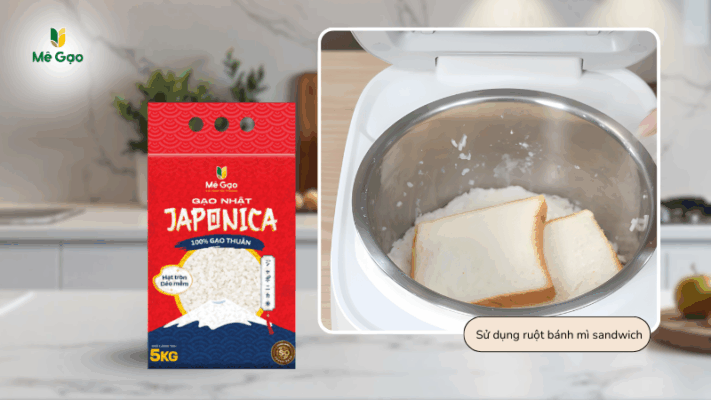
Method 2: Air-dry and fluff the rice
If the rice is mushy because of too much built-up steam, you need to release the moisture and separate the grains:
- Open the lid to let all the steam escape.
- Use wooden chopsticks or a rice paddle to fluff the rice very gently to separate the grains without crushing them.
- You can place the pot in front of a fan on a low setting so the surface of the rice firms up. This makes the rice drier while keeping the distinctive stickiness of Japonica rice.
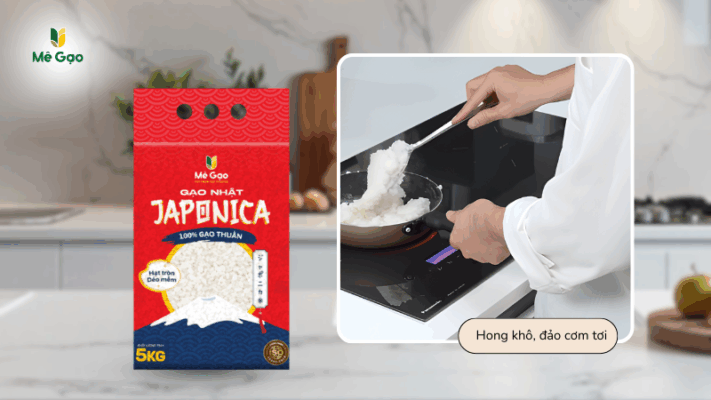
Method 3: Turn it into another dish (sushi rolls, salmon congee or rice cakes)
When the rice is too mushy to restore its original texture, the best solution is to turn it into a dish that suits its high stickiness:
-
Make sushi rolls by following how to make sushi with Japonica rice the authentic way to make the most of the natural stickiness of the grains.
-
Cook salmon congee or nutritious rice porridge with a smooth, thick texture
-
Press it into grilled rice cakes for extra flavor and a crispy outside
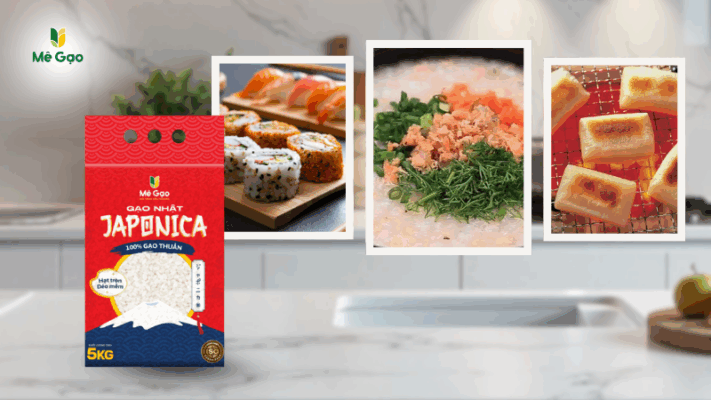
How to cook perfectly soft, tender and delicious Japonica rice
To cook soft, tender and delicious Japonica rice, follow these steps:
- Step 1: Rinse the rice: Rinse it gently with clean water about 2-3 times to remove dust and dirt. Do not scrub too hard so you keep the nutritious bran layer around the grains.
- Step 2: Soak the rice: Soak the rice for 30 minutes so the grains absorb enough water and expand evenly.
- Step 3: Water ratio: Drain the soaking water and add fresh water at the standard ratio of 1 part rice : 1.2 parts water. (You can adjust it slightly to your personal taste.)
- Step 4: Let the rice rest: When the cooker switches to Warm mode, do not open the lid right away. Let the rice rest for another 10-15 minutes so the heat spreads evenly, helping the rice cook thoroughly and the surface dry out.
Frequently Asked Questions (FAQ)
Does Japonica rice need to be soaked?
Yes. Soaking the rice for 30 minutes or more before cooking helps the grains cook evenly, become tender and fragrant, and bring out their full distinctive aroma and mild sweetness.
Why does Japonica rice still turn mushy even with the right water ratio?
This usually happens if you do not drain the rice completely after rinsing before measuring the fresh water.
For detailed advice and to make sure you buy genuine products, you can contact us directly via our hotline 0973 978 039. Customers in Hanoi can buy at Tmart and HomeFarm stores, or at KingFoodMart in Ho Chi Minh City. You can also find the official Mê Gạo stores on e-commerce platforms such as Shopee and TikTok Shop for convenient shopping.





