
 About Us
 News
 Store Locator
 Support
Japonica Rice for Japanese Restaurants: Secrets to Keeping Rice Soft and Tender

Japonica Rice is a premium short-grain rice widely used in Japanese cuisine, especially in Japanese restaurants serving sushi, bento and traditional dishes. Thanks to its high amylopectin content, Japonica Rice produces cooked rice with distinctive tenderness, stickiness and sheen.
For Japanese restaurants, choosing the right rice not only affects the flavor of the dishes but also directly shapes the dining experience and brand positioning.
Why do Japanese restaurants prefer Japonica Rice?
Japonica Rice is a core standard in Japanese cuisine, especially in Japanese restaurants, which have strict requirements for the texture, flavor and appearance of every grain. Using the right rice not only ensures food quality but also preserves the authenticity of Japanese rice and traditional dishes such as sushi and onigiri.
-
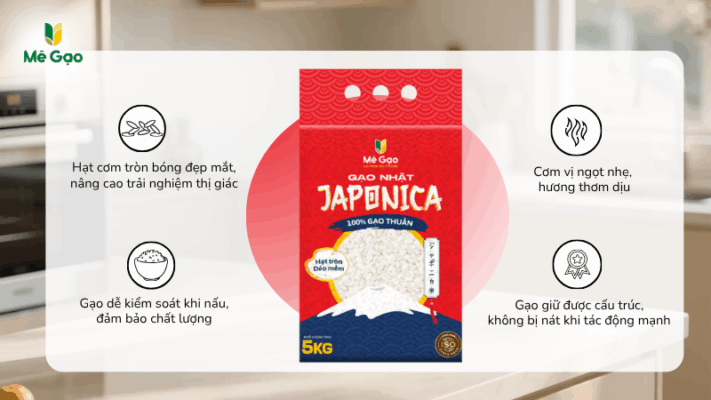
The right tenderness and stickiness for sushi and Japanese rice: Thanks to its high amylopectin content, Japonica Rice has a soft, tender texture and natural stickiness that helps sushi made from Japonica Rice (such as nigiri and maki) hold its shape, keeps onigiri from falling apart and gives Japanese rice a perfect cohesion that other rice varieties can hardly match.
-
Round, glossy grains that meet Japanese restaurant standards for presentation: After cooking, Japonica grains are evenly round, slightly glossy and unbroken, making sushi look attractive, keeping bento neatly presented and enhancing the visual experience for diners.
-
A delicate flavor that balances Japanese ingredients: Japonica Rice has a light sweetness and gentle aroma, serving as a flavor base that highlights the freshness of the fish in sushi, balances teriyaki sauce and does not overpower premium ingredients such as salmon and tuna.
-
Japonica Rice absorbs water evenly and is easy to control during cooking, keeping the rice consistently soft and moist from batch to batch so every serving meets the same quality standard.
-
Japonica Rice is well suited to techniques such as mixing in sushi vinegar, fluffing the rice (shari) and shaping rice balls, helping the grains keep their structure without breaking apart – which is why Japanese chefs prefer it in restaurants.
Office meals that go best with Japonica rice
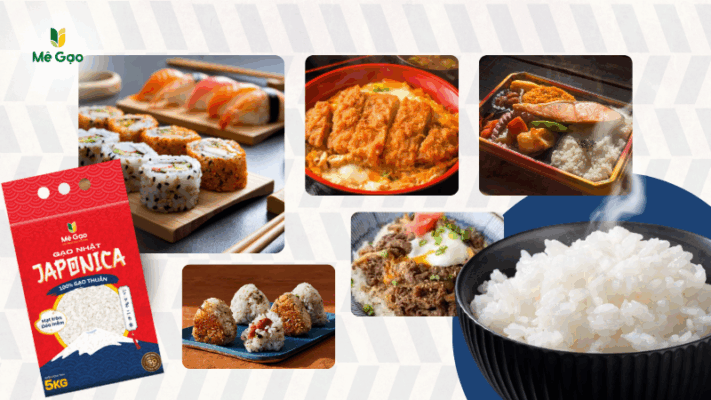
Japonica Rice is an ingredient in many Japanese dishes thanks to its tenderness, good stickiness and ability to keep the grain structure after cooking. These qualities make it suitable for dishes that demand both cooking technique and visual appeal in Japanese restaurants.
- Sushi: Japonica Rice is naturally tender and sticky, helping the rice hold its shape when formed without the grains separating, while still feeling light and fluffy when eaten.
- Onigiri: Thanks to its good stickiness, Japonica Rice is easy to shape into triangles or balls without falling apart. The rice stays soft and holds its structure when held in the hand or taken on the go.
- Donburi: Dishes such as gyudon, katsudon and tendon require rice that holds its shape yet still absorbs the sauce. Japonica Rice meets this need with its stable moisture and firm but not dry grains.
- Japanese bento: In bento meals, the rice needs to look good and not dry out throughout the serving time. Japonica Rice helps keep the rice soft, moist and visually appealing.
How to cook Japonica Rice to Japanese restaurant standards
- Rinse the rice: Add water and quickly rinse the rice 1-2 times to remove dust. Do not scrub hard, so the thin nutritious bran layer is preserved.
- Soak the rice: Soak the rice in clean water for 20 – 30 minutes before cooking. This step helps the starch grains swell evenly and absorb enough water for maximum tenderness.
- Measure the water: Use the standard ratio of 1 part rice : 1.2 parts water. For industrial rice steaming cabinets with a tight seal, a 1:1 ratio is usually ideal for controlling the amount of water and preventing mushy Japonica rice.
- Operate the steaming cabinet: Spread the rice evenly in stainless steel trays. Steam in the cabinet for 45 – 50 minutes.
- Resting time: After turning off the power/gas, keep the cabinet door closed and let the rice rest in the steam for another 15 minutes. This helps the grains cook through and gives them a drier, glossier surface.
Mê Gạo – A reputable Japonica Rice supplier
To maintain consistent meal quality, restaurants and office lunch eateries need a reliable source of ingredients. Mê Gạo is proud to be a wholesale distribution partner of high-quality 100% pure Japonica Rice, offering an optimal solution for the F&B industry:
- Consistent quality: Evenly round, translucent white grains with few broken pieces and strictly controlled moisture.
- Competitive wholesale prices to optimize costs: Our direct-from-source pricing policy helps eateries optimize ingredient costs while still ensuring high quality in every serving.
- Clear origin and food safety: Mê Gạo Japonica Rice is produced from a purebred rice variety, unblended, and meets safety standards such as HACCP, ISO 22000, FDA and HALAL, making it suitable for industrial kitchens.
If you need to order Japonica Rice in bulk for your eatery or restaurant, call our hotline 0973 978 039 for advice and a quote.
Frequently Asked Questions (FAQ)
Can regular rice be used instead of Japonica Rice in a Japanese restaurant?
It is not recommended. Regular rice lacks the right tenderness and stickiness, so sushi falls apart easily and Japanese rice does not meet the standard for texture and flavor.
Is Japonica Rice expensive?
Japonica Rice costs more than regular rice, but it is worth it because it improves food quality and the customer experience and positions your Japanese restaurant as high-end.





